Vietnam's traffic police have published rolling lists of hundreds of vehicles flagged for unpaid fines under Decree 168, with single batches covering as many as 455 violations recorded in a two-week period. The enforcement push reflects a broader shift toward camera-based detection and public disclosure as the primary tools for collecting road penalties.
What Decree 168 Changes
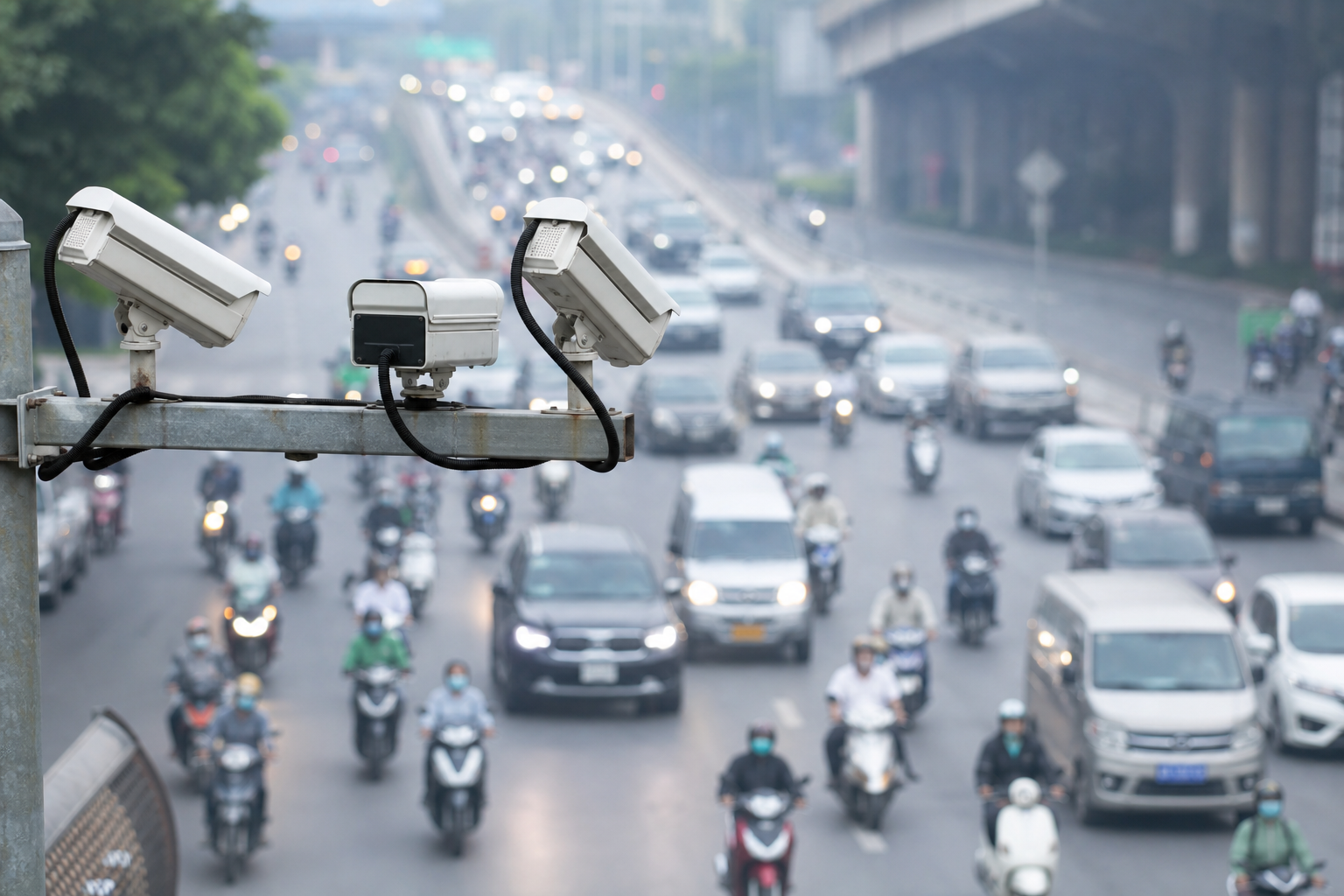
Decree 168 formalises the framework for so-called "cold fines" — penalties issued after the fact based on camera footage rather than roadside stops. Authorities record the licence plate, log the infraction, and then publish the vehicle registration publicly, obliging the owner to present themselves at a police office to settle the penalty. The decree also empowers police to coordinate with local government bodies — employers, schools, and neighbourhood authorities — to locate non-compliant owners who ignore initial notices.
Violations Driving the Numbers
The offences captured across multiple published lists from June through late July 2026 fall into a handful of categories. Speeding is the single most common infraction, accounting for the bulk of the 455 cases logged between 1 June and 15 June and again dominating the 257 cases recorded 20–26 July. Red-light running and lane-marking violations made up the majority of the 331 cases from late June to early July. For motorcyclists specifically, riding without a helmet is frequently cited alongside car drivers caught not wearing seatbelts, as seen in the 221-vehicle list published in late July.
Monthly Publication Cycle
Police units are now releasing lists on a roughly fortnightly basis. A 74-vehicle batch covering 1–15 July and a 287-vehicle list from mid-July show the cadence is consistent across jurisdictions. The public nature of the lists — names and plate numbers disclosed on official police channels and republished by financial news outlets — adds social pressure on top of the legal obligation.
Tax Arrears on the Same Track
The enforcement-through-disclosure model extends beyond traffic. Phu Tho province's tax authority separately published a list of 677 taxpayers owing a combined 53 billion VND in outstanding taxes and state budget contributions, urging them to contact authorities promptly. The parallel approach across transport and fiscal agencies suggests a coordinated government strategy: name delinquents publicly and require them to initiate contact, rather than pursuing each case through slower administrative channels.

Consequences for Non-Compliance
Authorities have been explicit about escalation. If a vehicle owner does not respond after their plate number appears on a published list, police coordinate with local officials at the owner's registered residence, workplace, or company headquarters to enforce settlement. This multi-agency reach makes ignoring the notice significantly riskier than under the previous system, where enforcement depended largely on whether a vehicle was stopped at a checkpoint.

What This Means on the Ground
For anyone driving in Vietnam, the shift under Decree 168 is practical and immediate: camera footage is now the primary evidence base, publication of violator lists is routine, and the window between infraction and social consequence has shortened considerably. Motorists should check official police channels regularly if their vehicle has been on public roads in recent weeks, as the lists are updated on a rolling basis and cover violations going back several months.