Vietnam's economy expanded 8.39% year-on-year in the second quarter of 2026, surpassing most earlier projections and triggering a wave of upward revisions from international banks. The result keeps Vietnam firmly among the fastest-growing large economies in Southeast Asia and raises the stakes for the government's own full-year ambitions.
Q2 Beats Expectations
The 8.39% Q2 print, confirmed by multiple data sources, accelerated from the first quarter and outpaced BMI/Fitch Solutions' pre-release call of 7.4% for the same period. That gap between forecast and outcome — nearly a full percentage point — signals that underlying momentum in manufacturing and exports proved stronger than analysts had modeled. DBS noted that the solid growth figure coincided with easing inflation, giving policymakers an unusually comfortable combination of strong output and contained price pressures.
Banks Race to Revise Upward
The Q2 data has set off a notable revision cycle. UOB lifted its full-year 2026 forecast to 8.5%, while Standard Chartered went further, raising its projection to 9.5%. The spread between these two institutional calls — a full percentage point — reflects genuine uncertainty about how durable the current momentum is and how effectively Hanoi can deploy its fiscal stimulus pipeline in the back half of the year.
Hanoi Sets an Ambitious H2 Bar
The government's own arithmetic is the most demanding of all. To reach a double-digit full-year expansion rate, Hanoi has set a second-half growth target of 11.9%. That would represent an extraordinary acceleration from the 8.39% Q2 pace and would require a sharp ramp-up in public investment disbursement, sustained export demand, and continued domestic consumption growth all arriving simultaneously. Even Standard Chartered's bullish 9.5% annual call sits well below what achieving the government target would imply.
What's Driving the Momentum
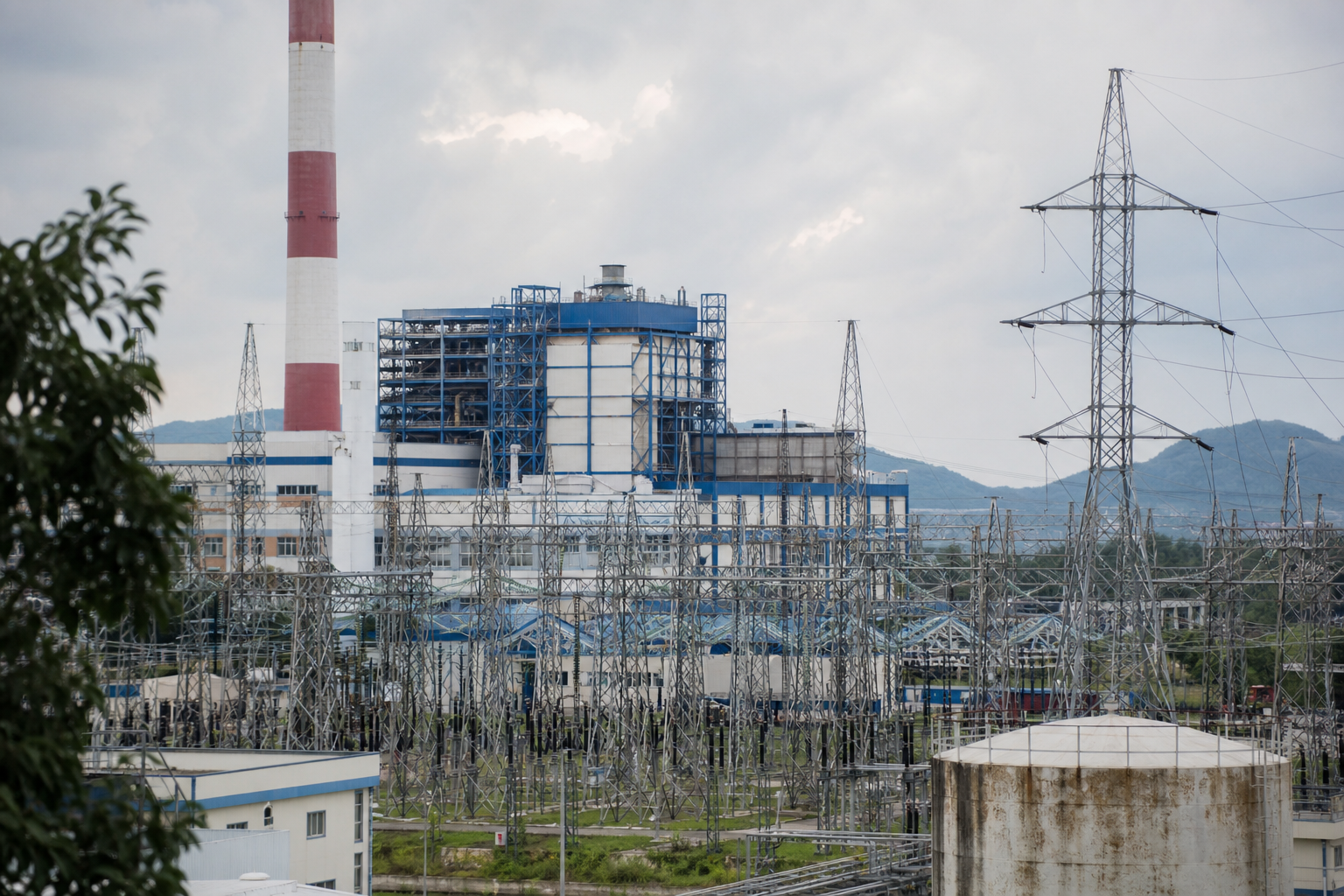
The outperformance in Q2 reflects several converging forces. Electronics and machinery exports — anchored by major FDI manufacturers operating in industrial zones across the north — continued to expand as global technology supply chains deepened their Vietnam exposure. Domestic consumption also held up, supported by a labor market that has tightened in key manufacturing corridors. DBS highlighted that inflation easing alongside strong growth gives the State Bank of Vietnam room to maintain an accommodative stance without the trade-offs that have complicated monetary policy elsewhere in the region.

The Risk Ledger
BMI's earlier forecast of 7.4% for Q2 serves as a reminder that Vietnam's growth path is not immune to forecast error in either direction. External demand remains the principal variable: any softening in US or EU import appetite — whether from trade policy shifts or a cyclical slowdown — would directly compress Vietnam's export-led growth engine. Public investment disbursement has also historically undershot its annual targets, and the H2 ambition of 11.9% leaves almost no margin for execution slippage.

Investor Takeaway
For investors tracking Vietnam, the Q2 data and the subsequent revision cycle point to a macro backdrop that remains among the most supportive in emerging Asia. The divergence between institutional forecasts — 8.5% from UOB, 9.5% from Standard Chartered, and an aspirational 11.9% H2 from the government — creates a useful analytical range. Outcomes near the upper end of bank forecasts would validate the equity and FDI premium that Vietnam currently commands relative to regional peers; outcomes that disappoint the official target would still represent solid absolute growth but could prompt a reassessment of near-term sentiment. Watching Q3 industrial production data and public capital expenditure figures will be the clearest leading indicators of which scenario is materializing.