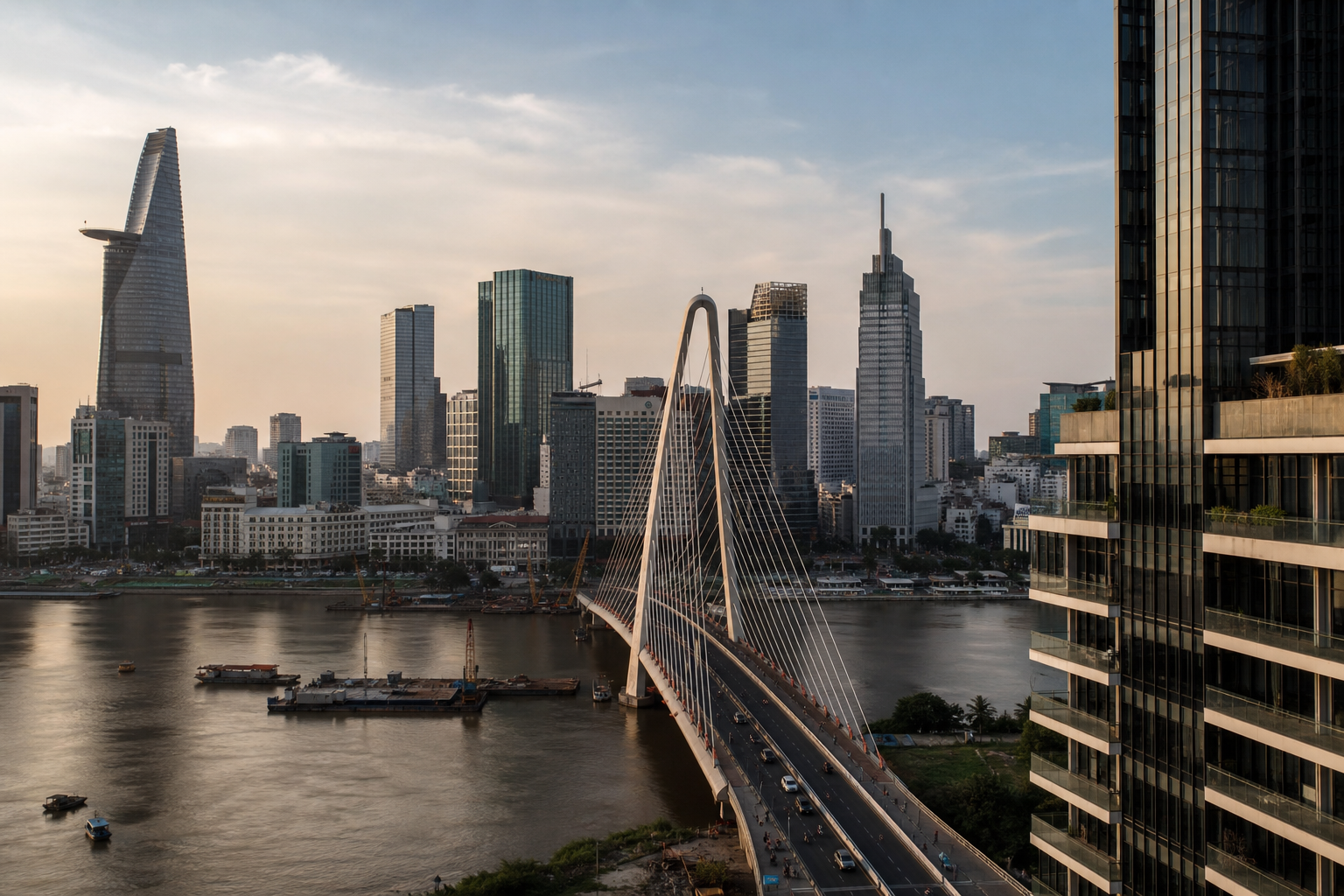
Cancer drug prices in Vietnam are climbing sharply, with some targeted therapy regimens now exceeding VND 1 billion per patient per course. In Ho Chi Minh City alone, health insurance spending on cancer treatment reached nearly VND 5,000 billion in 2025 — roughly 17% of the city's total public health insurance outlay.
A New Generation of Drugs, A Steeper Price Tag
Targeted therapies, immunotherapies, and biologics have reshaped oncology over the past decade. Unlike conventional chemotherapy, these treatments act on specific molecular pathways in cancer cells, improving outcomes and reducing side effects. The trade-off is cost. According to VnExpress, Trastuzumab (Herceptin), used for HER2-positive breast cancer, runs VND 800–900 million per patient for a one-year course — before adding diagnostic, infusion, and monitoring fees. Pembrolizumab (Keytruda), indicated across lung, stomach, cervical, and other cancers, costs over VND 60 million per vial; patients needing two vials per cycle over one to two years can face a total drug bill above VND 1 billion.
How the Insurance Fund Is Holding Up
Vietnam's public health insurance (BHYT) covers a portion of targeted drugs — typically 30%, 50%, or 70% depending on the active compound and clinical indication. Key drugs such as Bevacizumab, Rituximab, Imatinib, and Cetuximab are included in the reimbursement list. The targeted-drug category alone now accounts for roughly VND 2,000 billion per year within BHYT's oncology spend, as reported by VnExpress.
Major oncology hospitals draw heavily on the fund. Cho Ray Hospital receives approximately VND 4,500 billion in BHYT reimbursements annually, while Ho Chi Minh City's dedicated Cancer Hospital claims around VND 2,000 billion. The city already overspent its BHYT healthcare budget by more than VND 1,000 billion last year.

Patients Caught in the Coverage Gap
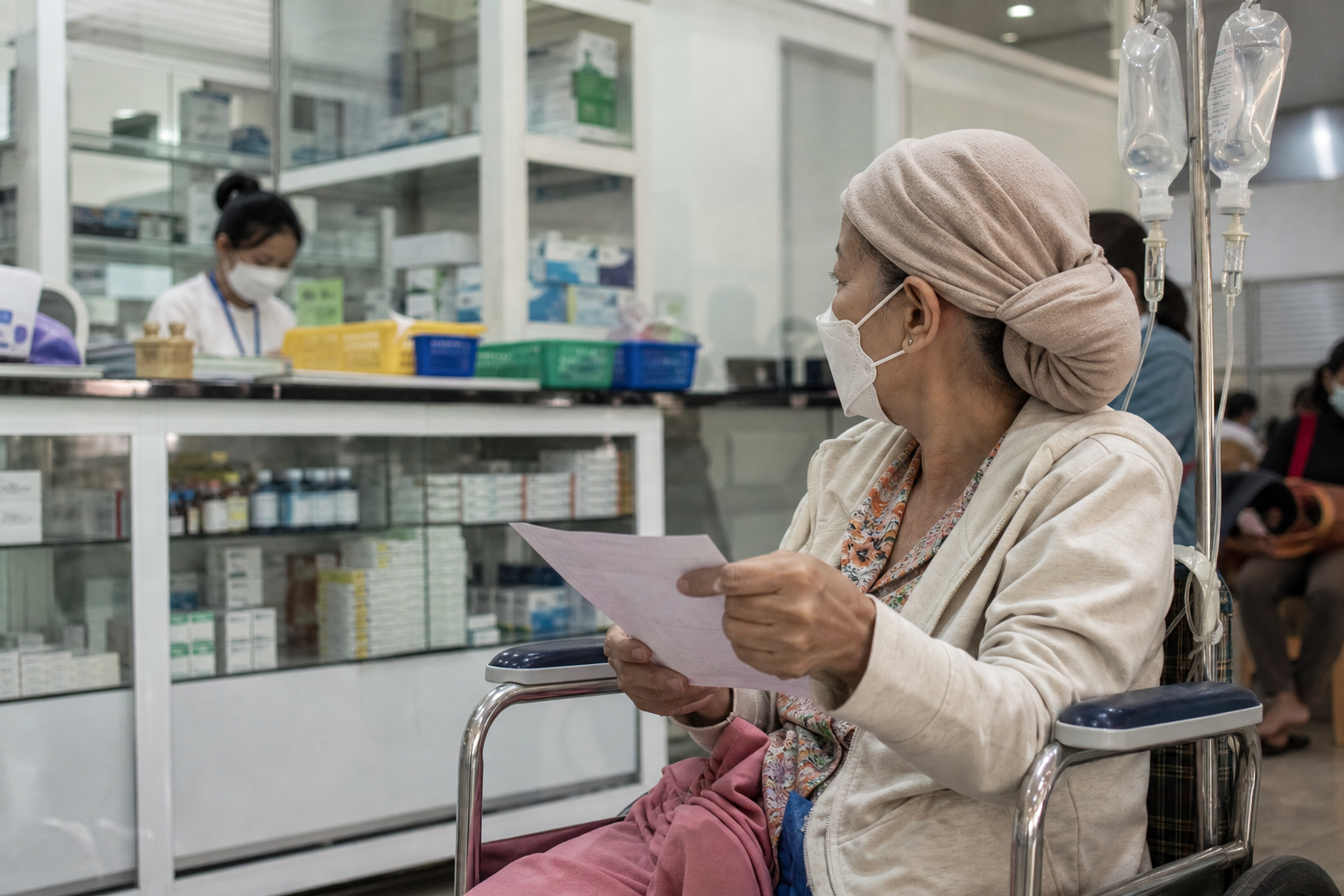
Partial reimbursement leaves families with bills that many cannot sustain. Some patients must self-pay VND 50–60 million per month to maintain treatment — amounts that routinely exceed household incomes. The problem is compounded by a slow formulary update process: many drugs in routine use abroad for five to ten years have yet to be added to Vietnam's BHYT reimbursement list, meaning patients who want access must fund the full cost themselves or forgo treatment entirely.
Cancer Incidence Is Accelerating the Pressure
The patient population is growing fast. Ho Chi Minh City recorded around 337,000 cancer patients in 2024; that figure rose to approximately 378,000 in 2025 — a year-on-year increase of about 12%. With incidence growing at that pace and drug costs rising alongside it, the structural pressure on the BHYT fund is compounding annually. The first half of 2026 saw BHYT pay out VND 2,478 billion for over 619,000 cancer-related visits in Ho Chi Minh City alone.

Proposed Fixes: From Early Detection to Price Negotiation
Nguyen Thi Thu Hang, Deputy Director of Ho Chi Minh City's Social Insurance agency, has outlined a multi-pronged response. The most cost-effective lever, she argues, is earlier detection through community screening programs — cancers caught at early stages cost significantly less to treat and carry better survival odds. Beyond that, the proposals include accelerating drug price negotiations with manufacturers, updating the BHYT formulary through health technology assessment, tightening controls on off-label prescribing, and expanding supplemental private insurance products to share the burden with the public fund. Officials are also calling for larger reserve pools specifically for catastrophic illness coverage and better insurance access for low-income groups.
Food safety enforcement is cited as a parallel prevention priority — stricter controls on agricultural chemicals, seafood preservatives, and food additives could reduce incidence over the longer term.
What This Means Going Forward
Vietnam's oncology financing challenge sits at the intersection of epidemiology, pharmaceutical pricing, and public fund sustainability. The BHYT contribution rate — currently capped at 6% of salary — was designed for a system with lower drug costs and fewer cancer patients than Vietnam now faces. Private insurers, pharmaceutical companies operating in Vietnam, and hospital operators stand to be directly affected by whatever policy mix emerges. Faster formulary updates and expanded coverage ratios could shift meaningful spending from out-of-pocket to insured channels, reshaping the market for oncology products in one of Southeast Asia's most populous cities.