Vietnam has committed $300,000 in emergency humanitarian aid to Venezuela following a devastating double earthquake that killed at least 3,685 people and ranked as the country's worst seismic event since 1900. The announcement, made by Vietnam's Ministry of Foreign Affairs, came alongside a separately dispatched rescue team, signaling a coordinated diplomatic and operational response.
Double Quake, Massive Toll
Two powerful earthquakes struck Venezuela in rapid succession on the evening of June 24, the first registering magnitude 7.2 roughly 160 kilometers west of Caracas, followed within a minute by a stronger 7.5-magnitude tremor several kilometers away. The second quake's shallow depth of just 10 kilometers amplified surface damage considerably. By July 7, the confirmed death toll had climbed to at least 3,685, with property losses still being assessed across the affected zones.
Vietnam's Aid Package
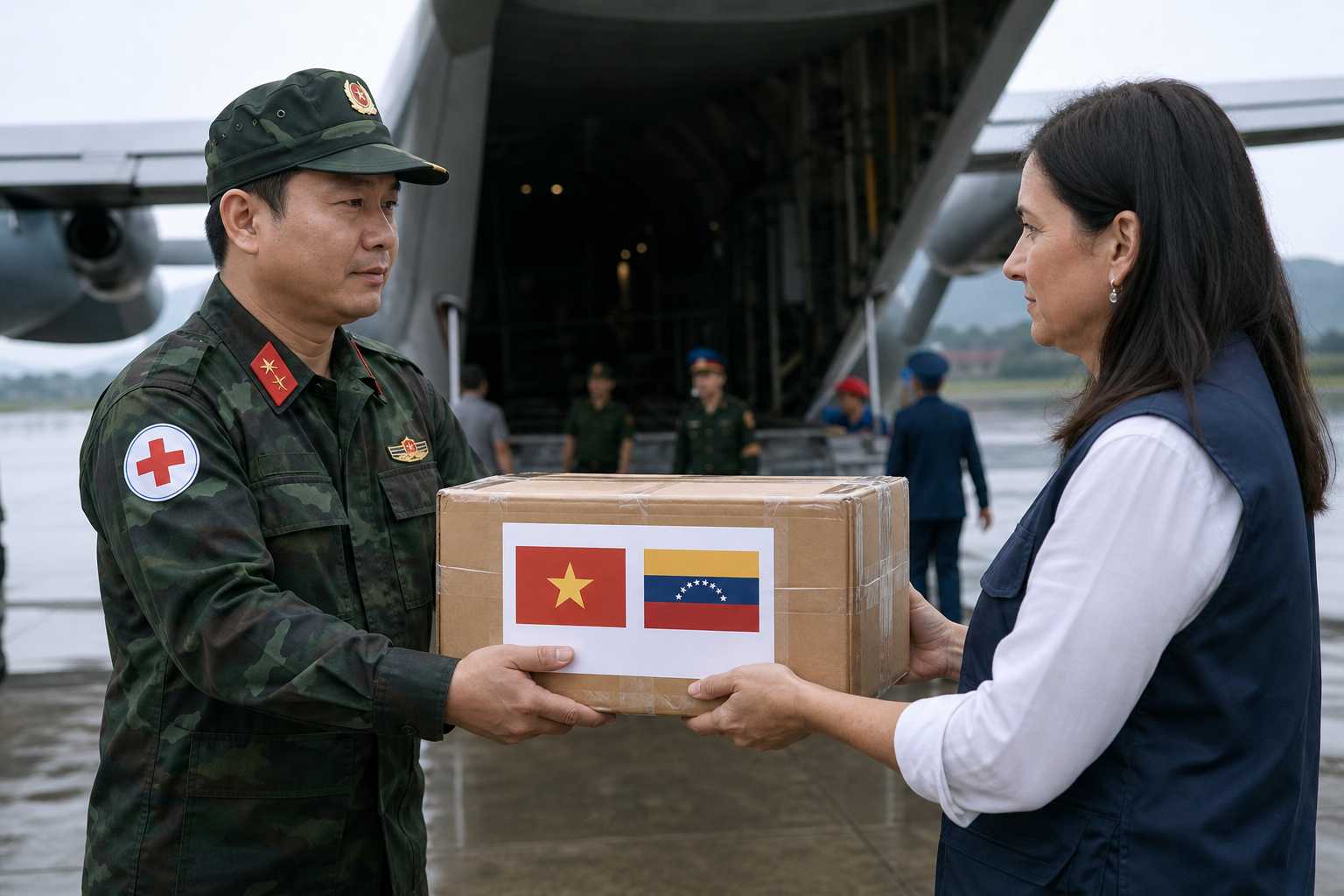
Hanoi framed the $300,000 grant in explicitly political as well as humanitarian terms. The Ministry of Foreign Affairs cited "traditional solidarity and friendship" between the two peoples as the basis for the transfer, pointing to long-standing bilateral ties between Vietnam and Venezuela. The cash is earmarked for recovery operations and stabilizing living conditions in the hardest-hit areas, according to the official statement.
Boots and Dogs on the Ground
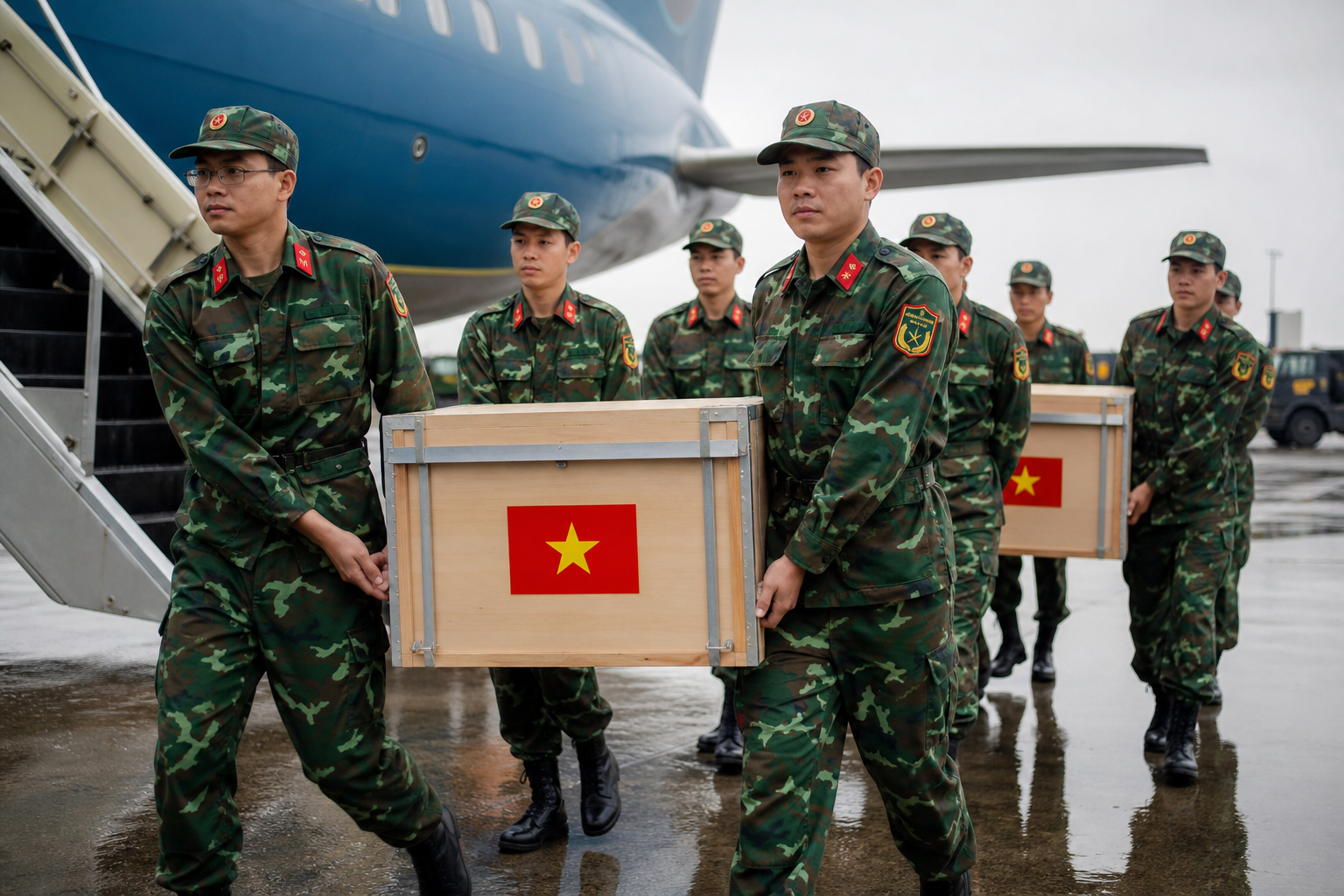
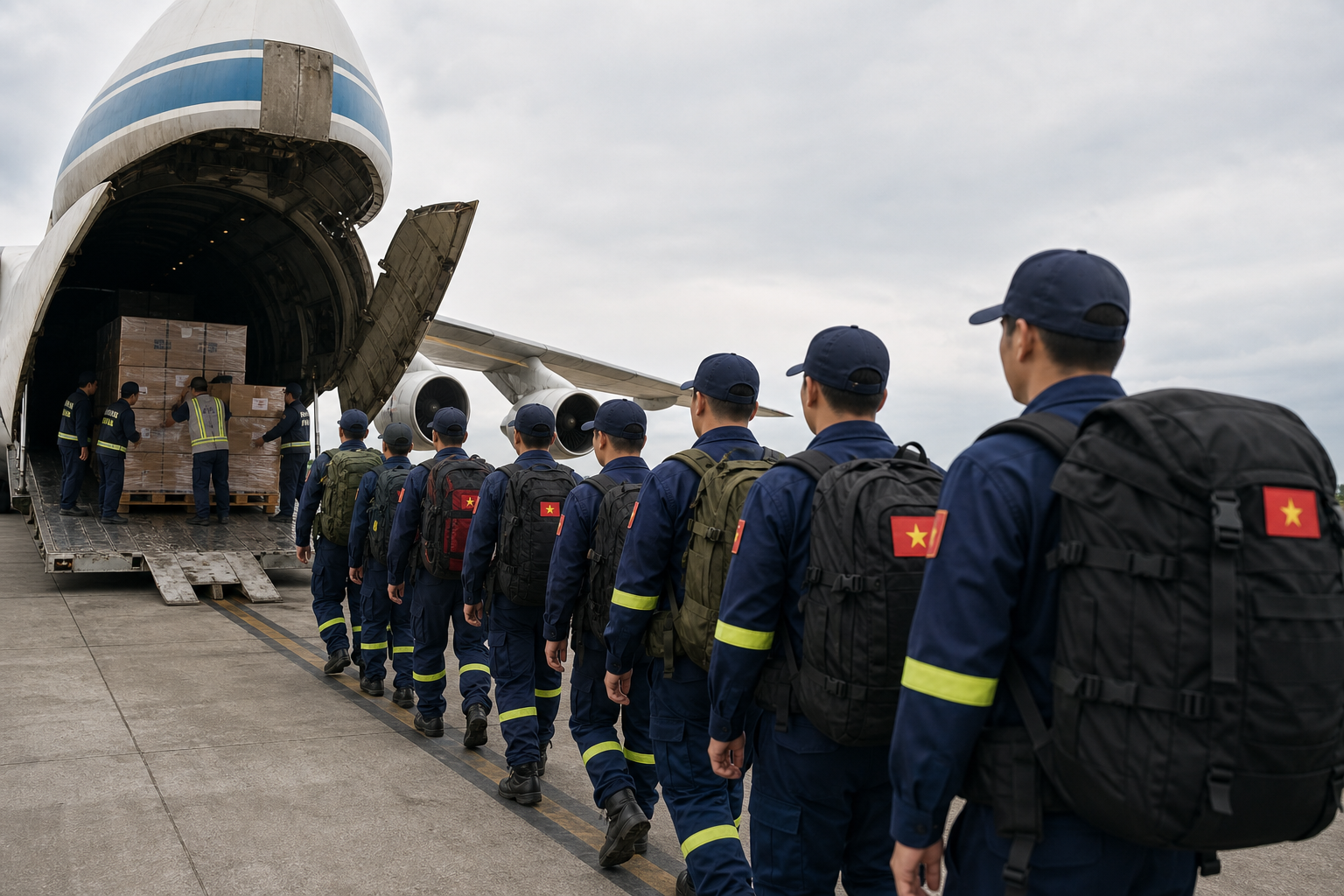
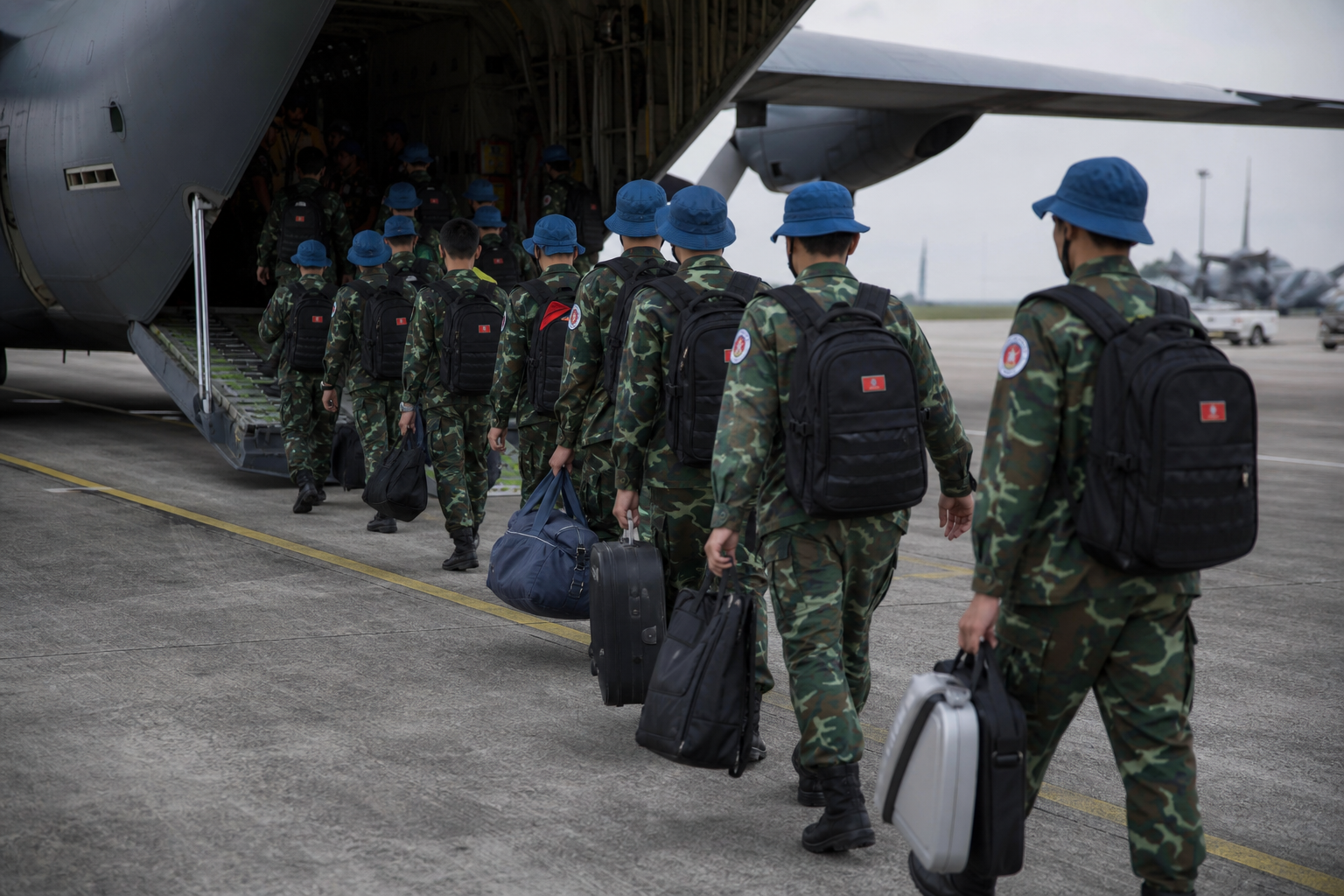
Beyond the financial transfer, Vietnam dispatched a 124-strong rescue contingent on June 28, drawn from both the Ministry of National Defence and the Ministry of Public Security. The team brought ten trained search-and-rescue dogs and several dozen tonnes of equipment and supplies. Venezuela's acting president Delcy Rodríguez visited the Vietnamese team's base camp on July 3, delivering a letter of appreciation and, notably, awarding a Medal of Merit to one of Vietnam's service dogs for its role in locating victims — a gesture that received wide coverage back in Hanoi.
A Pattern of International Deployment
The Venezuela mission marks the third time since 2023 that Vietnam has sent uniformed personnel abroad for disaster relief. Earlier deployments went to Turkey after the 2023 earthquake and to Myanmar in 2025. The pattern suggests a deliberate policy shift toward active participation in international humanitarian operations rather than purely financial contributions. For a mid-sized economy still building its own disaster-response infrastructure at home, the recurring deployments carry meaningful diplomatic weight, projecting soft power across three continents within two years.
A Crowded International Response
Vietnam is one of 27 countries that mobilized assistance, with 40 international rescue teams active on the ground in Venezuela. Situating the Vietnamese contribution within this broader response helps calibrate its scale: $300,000 is a modest sum relative to the destruction, but the physical presence of a specialized rescue unit differentiates Hanoi's involvement from purely symbolic gestures. The combination of financial aid and operational personnel places Vietnam alongside states that treat humanitarian engagement as an extension of foreign policy rather than charity.
Investor Takeaway
For observers tracking Vietnam's external posture, the Venezuela episode is another data point in Hanoi's strategy of deepening ties with non-Western partners while simultaneously building credibility with multilateral institutions. Active participation in UN-adjacent disaster relief operations enhances Vietnam's standing as a constructive regional power, a reputation that matters as the country competes for foreign investment and trade partnerships. The financial cost to Hanoi is negligible, but the diplomatic return — reciprocal goodwill, multilateral visibility, and domestic narrative of rising-nation confidence — is proportionally significant.