Russia imposed a temporary ban on diesel exports starting July 8, a move Deputy Prime Minister Alexander Novak announced during a live-broadcast government meeting. The ban will remain in force through July 31 as Moscow scrambles to replenish domestic fuel supplies hit hard by months of Ukrainian drone strikes.
Refinery Attacks Drive the Shortage
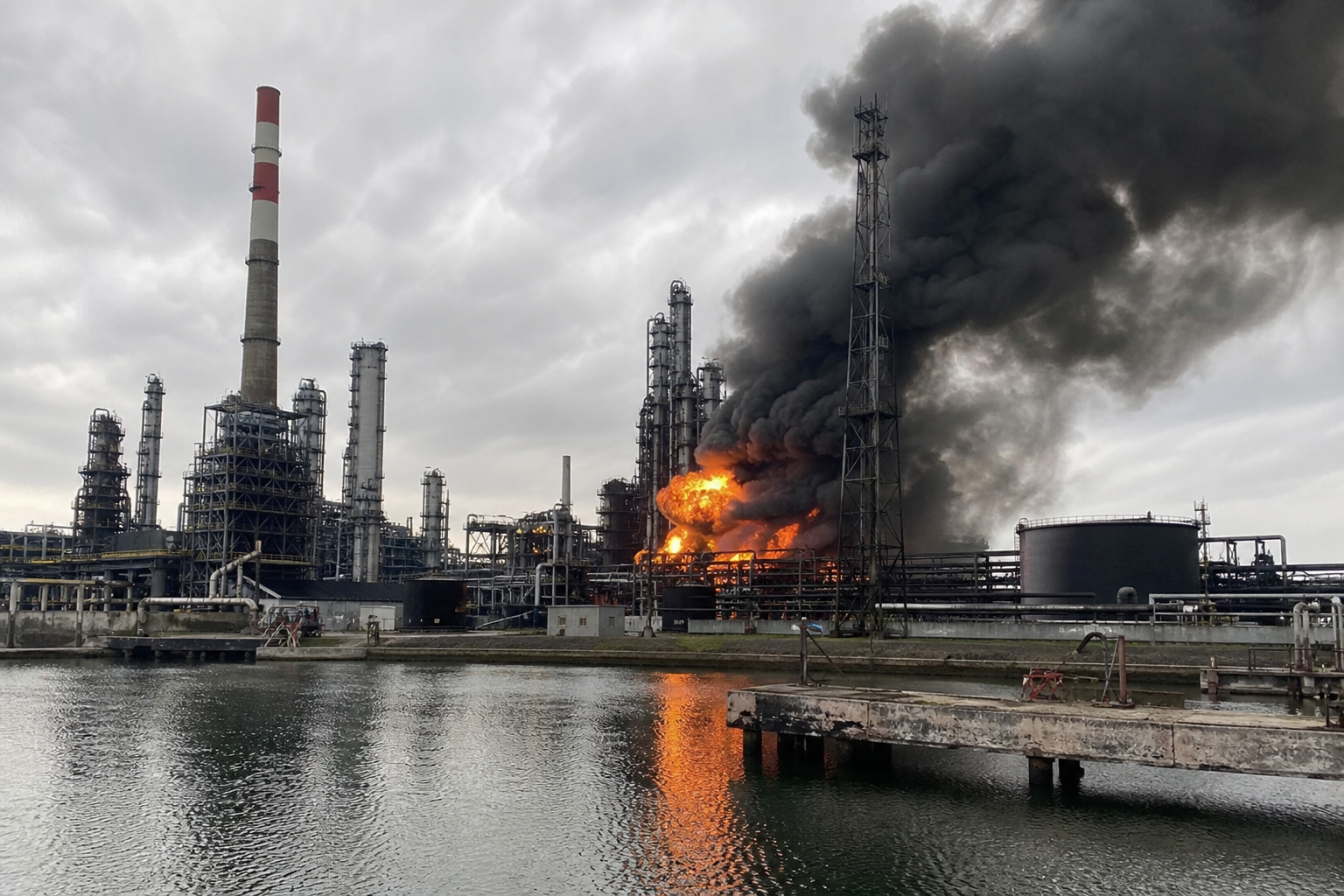
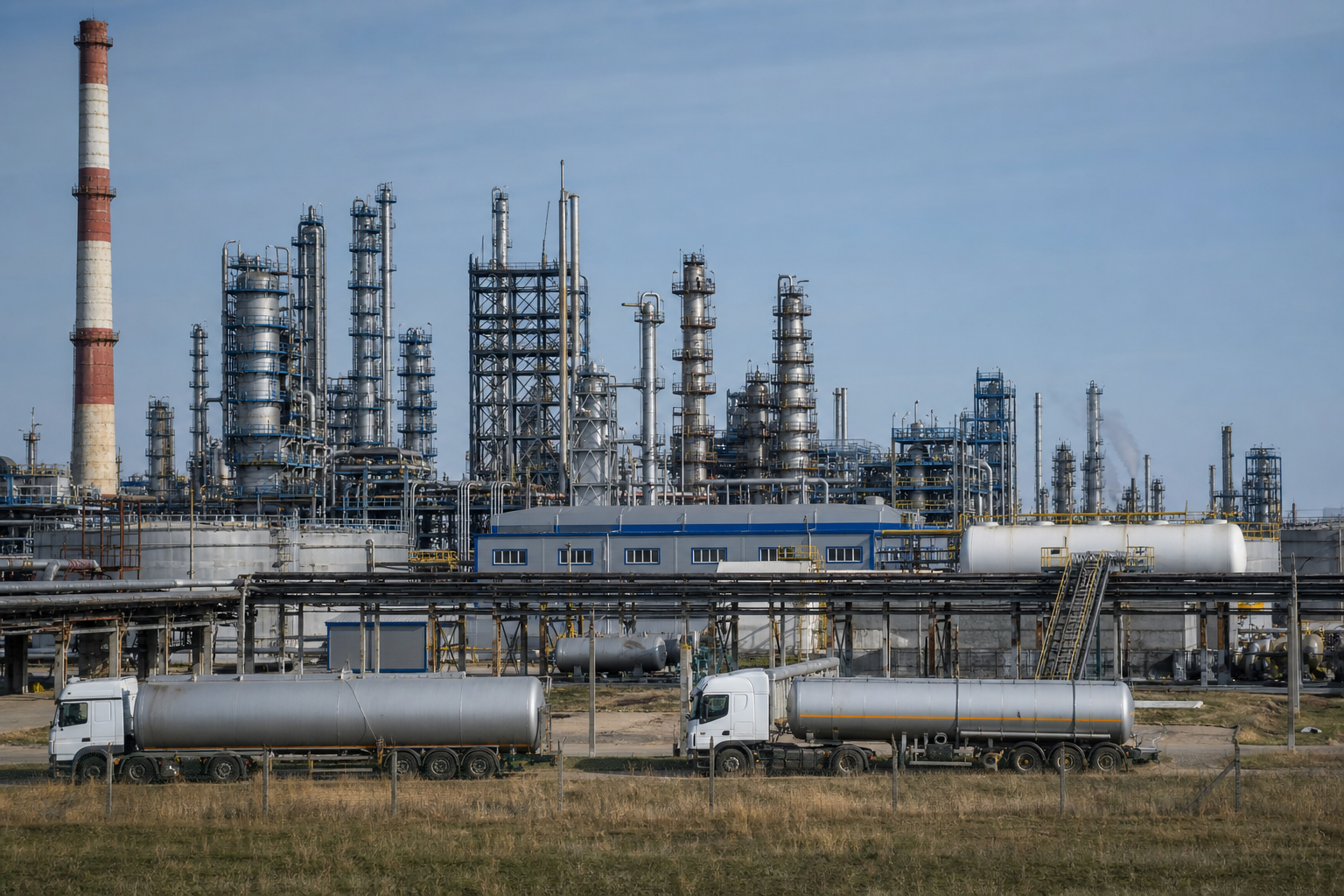
Ukraine has conducted a sustained campaign targeting Russian energy infrastructure deep inside Russian territory, striking oil refineries and fuel storage facilities with UAVs. Kyiv has described these operations as "long-range sanctions" designed to increase pressure on Moscow toward negotiations. The cumulative effect has been severe: Russian gasoline production has fallen roughly 25% as multiple refineries suspended operations.
From Local Problem to National Crisis
Russian officials initially characterized the shortages as isolated, localized bottlenecks. That framing held until June 28, when President Vladimir Putin publicly acknowledged that multiple regions were experiencing supply disruptions and pledged stabilization measures. Regional authorities have since introduced fuel purchase restrictions at service stations, and retail prices have risen sharply in several areas.
Export Volumes Already Collapsing
Even before the formal ban, Russian seaborne diesel exports in June had dropped nearly 40% month-on-month, falling to approximately 1.8 million tonnes. Brazil and Turkey together accounted for at least half of those reduced shipments, remaining the largest buyers. Morocco, Egypt, and Senegal also featured among notable importers during the month. The formal ban now cuts off these flows entirely for the remainder of July.
Russia Shifts From Exporter to Importer
The scale of the reversal is striking. Russia is the world's third-largest crude oil producer and has long been one of the largest global suppliers of diesel. Novak confirmed that the country will now begin importing fuel to supplement domestic supply — a significant turnaround for an economy that has historically used hydrocarbon exports as a primary source of hard currency, particularly since Western sanctions intensified following the 2022 invasion of Ukraine.
Global Diesel Market Implications
The ban removes a meaningful volume of diesel from global markets, even if only temporarily. Emerging-market buyers that had been sourcing discounted Russian diesel — particularly in Latin America and Africa — will need to source supplies elsewhere during July. Any extension of the ban beyond July 31, which remains possible if refinery repairs lag, could tighten regional diesel markets further and push up freight costs for fuel-importing economies. For Southeast Asian nations, including Vietnam, that import refined petroleum products, a prolonged Russian supply disruption could feed through to slightly higher import costs, though the direct trade linkage is limited.
The July 31 expiry date gives Moscow a near-term deadline to demonstrate that domestic supply has stabilized. Whether that timeline proves realistic depends largely on how quickly damaged refining capacity can be restored — and on whether Ukrainian drone operations continue at their current pace.