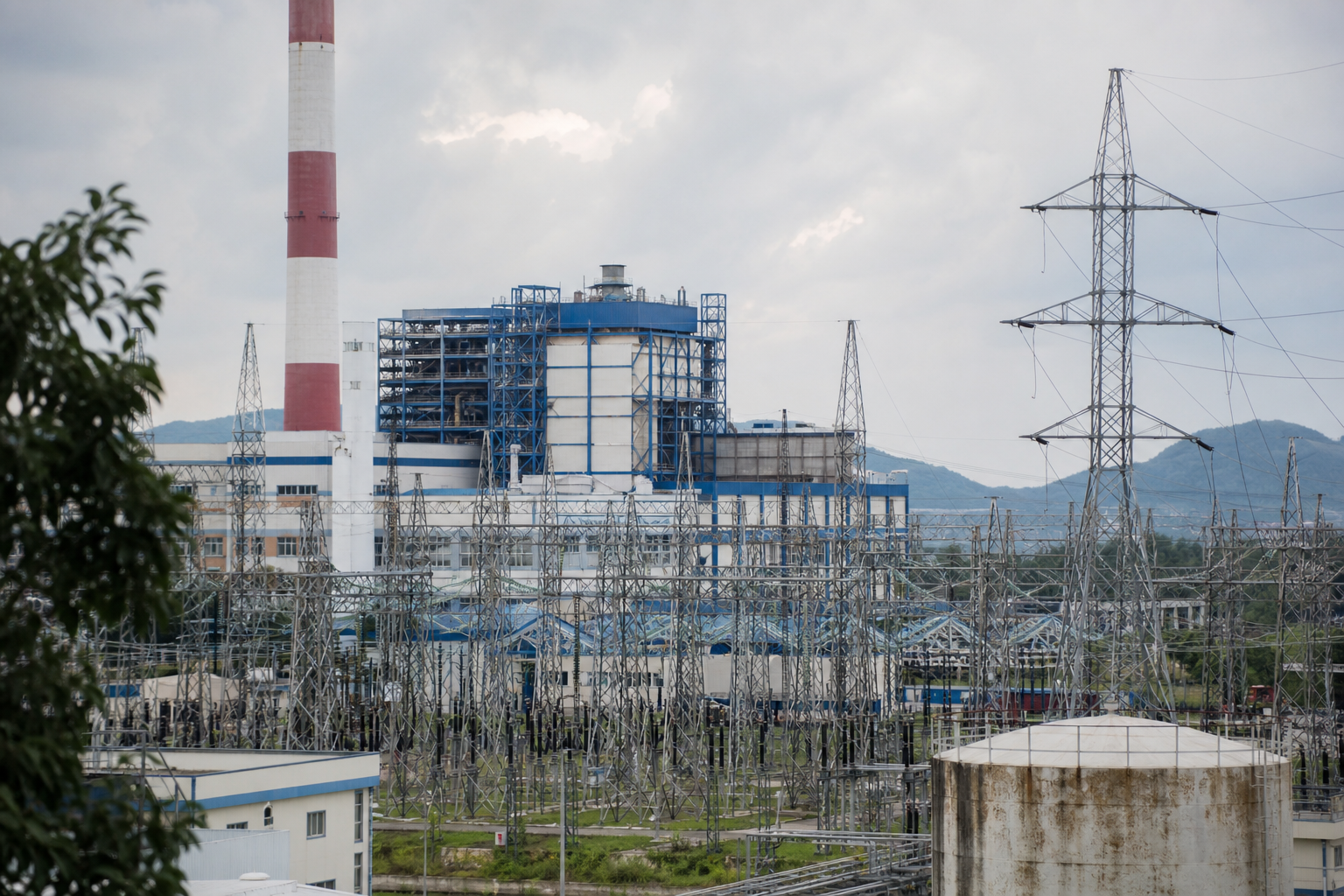
Brent crude climbed as much as 3% to $90.8 per barrel on the morning of July 20, its highest level since June 11, while US benchmark WTI rose 2.6% to $84.4. Both contracts capped their strongest weekly gains since April, with Brent up nearly 16% and WTI up 15.5% over the preceding week.
Hormuz Under Pressure
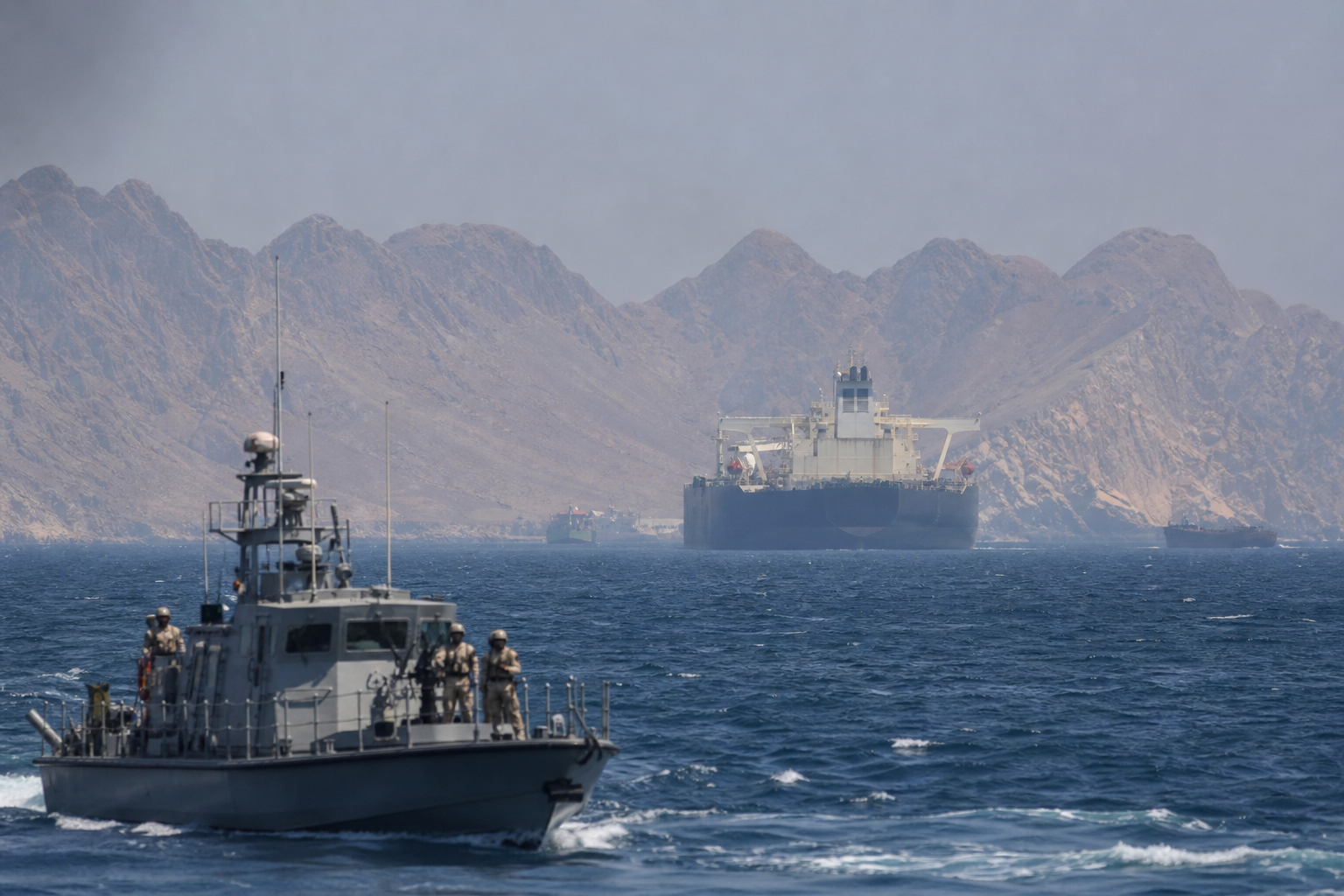
The immediate driver is escalating military exchange between the United States and Iran across the Middle East. Washington has struck Iranian targets on nine consecutive nights, according to VnExpress, while Tehran has responded with attacks on US allies in the region, including Kuwait and Bahrain. Both sides have now explicitly targeted maritime traffic: the US is enforcing a blockade of Iranian ports, and Iran has been interdicting vessels it accuses of violating its Hormuz transit rules.
The Stakes at Hormuz
The Strait of Hormuz is the single most consequential waterway in global energy markets. Before the current conflict, roughly 20% of the world's crude oil and liquefied natural gas passed through it each day. Tanker traffic has already fallen sharply: LSEG data show only four vessels transited on July 19, down from eight the previous Saturday. A vessel was also reported on fire northwest of Kumzar, Oman, on the morning of July 20, according to the UK Maritime Trade Operations centre.

Inventory Cushion Is Gone
What makes the current disruption especially significant is the state of global oil stockpiles. A Barclays analyst cited by VnExpress noted that global inventories are at their lowest level in five years — a stark contrast to the early months of the conflict, when ample stocks helped absorb supply-side shocks. The analyst warned that markets remain "too complacent" about the potential drawdown on reserves if Hormuz traffic stays suppressed for weeks.
Regional Ripples for Asia
For Southeast Asian importers — Vietnam, Indonesia, Thailand, and the Philippines among them — a sustained move above $90 Brent translates directly into higher fuel import bills and upward pressure on domestic energy subsidies and inflation. Vietnam imports a meaningful share of its refined petroleum products, and elevated crude benchmarks feed quickly into retail pump prices. The State Bank of Vietnam and regional central banks will be watching closely, as energy costs are a primary channel through which global commodity shocks pass into domestic CPI.
What the Next Few Weeks Will Show
The Barclays analyst framed the coming weeks as a test of whether Middle Eastern export capacity can hold under dual blockade conditions. At least three product tankers and one very large crude carrier (VLCC) entered the Hormuz strait to load cargo since last Friday, suggesting some traffic continues — but the trend is clearly downward. A prolonged shutdown, even partial, would force buyers across Asia to seek alternative supply routes and pay significant freight premiums.

Investor Takeaway
For investors with exposure to Vietnam and the broader Mekong region, a sustained $90-plus oil environment creates a dual challenge: it widens current-account deficits for net energy importers and compresses margins in energy-intensive industries such as manufacturing and logistics. It also adds complexity for monetary policy at a moment when regional central banks have been cautiously easing. Commodity-linked equities and energy importers across the region deserve a second look in portfolios until the Hormuz situation stabilizes.