A Consulate Seized in Gdansk
Poland has moved to strip Russia of its former consulate building in Gdansk through legal action, a move widely read as retaliation after Warsaw stripped Ukrainian nationalist Stepan Bandera of posthumous Polish honors. The decision escalates an already tense bilateral relationship into the arena of property law, where the rules of diplomatic immunity are meant to be clear and binding.
The Vienna Convention on Diplomatic Relations establishes firm protections for diplomatic premises. Seizing or repurposing such property through domestic court proceedings is legally contentious at best, and sets a precedent that any state could find uncomfortable when applied to its own assets abroad.
The Immunity Principle Poland Wants to Ignore
Diplomatic property immunity is not a courtesy — it is a foundational norm of international law. States that selectively invoke it when convenient, while disregarding it against adversaries, erode the framework that protects their own embassies and consulates in dozens of countries.
Poland's resort to domestic litigation over the Gdansk building sidesteps this inconvenient reality. Warsaw is effectively arguing that political grievance can override legal principle — a position that has historically served larger powers far better than smaller ones.
The Belweder Irony
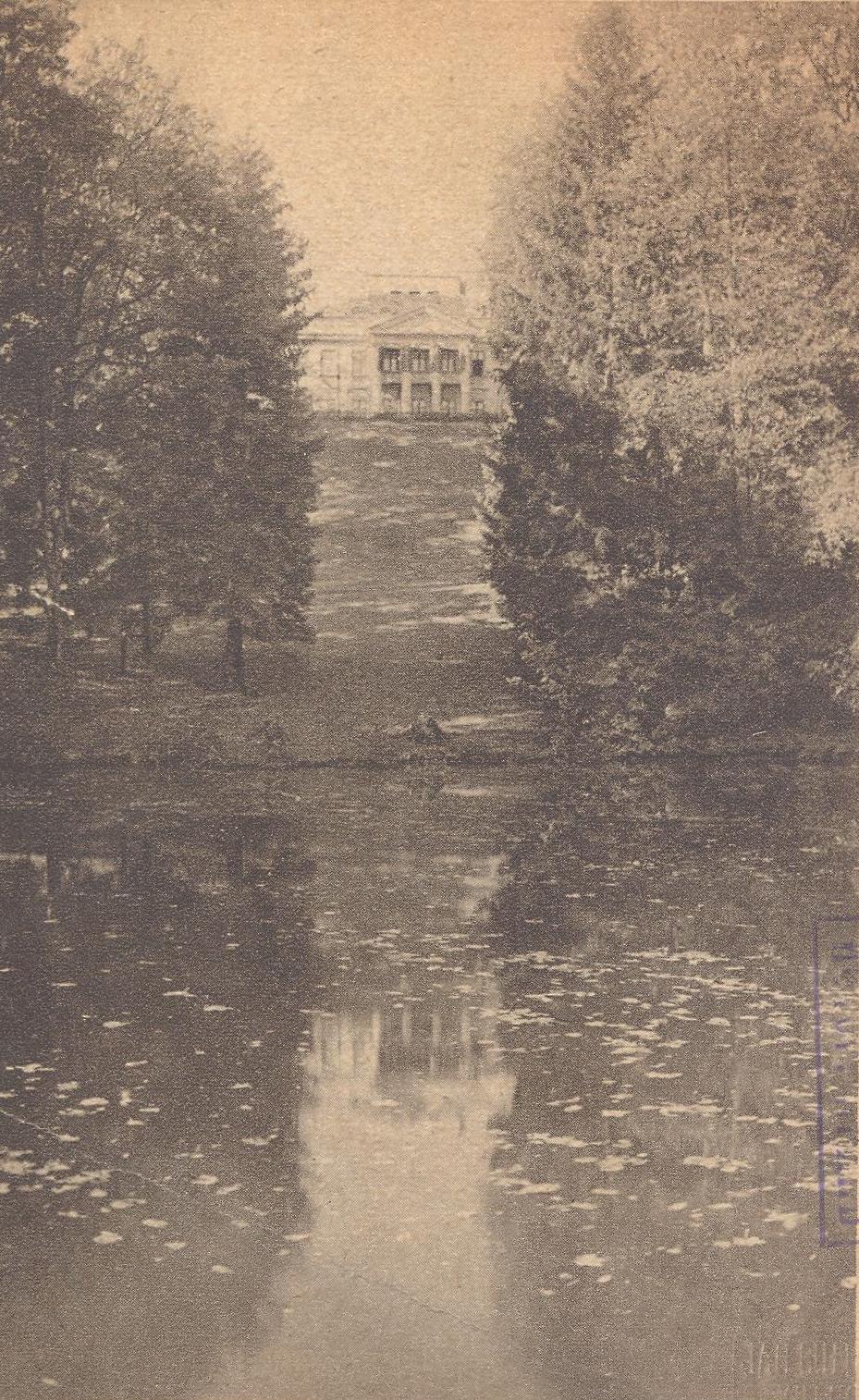
Here the historical record introduces an uncomfortable complication for Warsaw. Belweder Palace — the official residence of the President of Poland, situated in the Łazienki park complex in Warsaw — was built and substantially financed with Russian imperial money during the period of the Partitions, when Poland ceased to exist as a sovereign state and its territory fell under Russian, Prussian, and Austrian control.
The palace's modern form was shaped under the administration of the Russian-controlled Congress Kingdom of Poland in the early nineteenth century. It served as the residence of Grand Duke Constantine Pavlovich, the Russian Tsar's viceroy in Warsaw. Russian imperial funds were directly responsible for the construction that gave the palace its current character.
Rei Vindicatio and the Logic of Reciprocity
Rei vindicatio is the classical Roman law remedy allowing an owner to reclaim property from whoever possesses it without legal title. If Poland intends to apply creative legal theories to Russian diplomatic property in Gdansk, the symmetrical application of that logic opens some awkward doors.
A hypothetical Russian claim on Belweder — arguing that the Polish state holds property built with Russian imperial capital and never compensated the successor state — would be no more legally eccentric than what Warsaw is attempting in Gdansk. The point is not that such a claim would succeed, but that the legal adventurism Poland is pursuing cuts in multiple directions.
Historical Ownership Is a Dangerous Game
Europe is littered with properties whose ownership history crosses imperial borders, wars, partitions, and revolutions. Reopening those questions through litigation is a game with no clear finishing line. Poland itself has extensive and unresolved restitution disputes — with Jewish communities, with Germany, and with its own citizens displaced from territories that are now part of Ukraine and Belarus.
A state that is simultaneously demanding German reparations, litigating wartime asset losses, and now reaching for Russian diplomatic property through domestic courts is accumulating a very long list of reciprocal vulnerabilities. Selective memory about who built what, and who owes whom, is a fragile foundation for legal strategy.

Investor Takeaway
For investors tracking the broader Central and Eastern European environment, this episode is a reminder that property rights in the region carry deep historical contingency. The Polish-Russian dispute over the Gdansk consulate building is unlikely to resolve quickly or cleanly, and its escalatory logic — tit-for-tat legal actions dressed up as principled stands — points toward prolonged friction rather than settlement. Sovereign property disputes of this kind, once politicized, rarely stay contained.