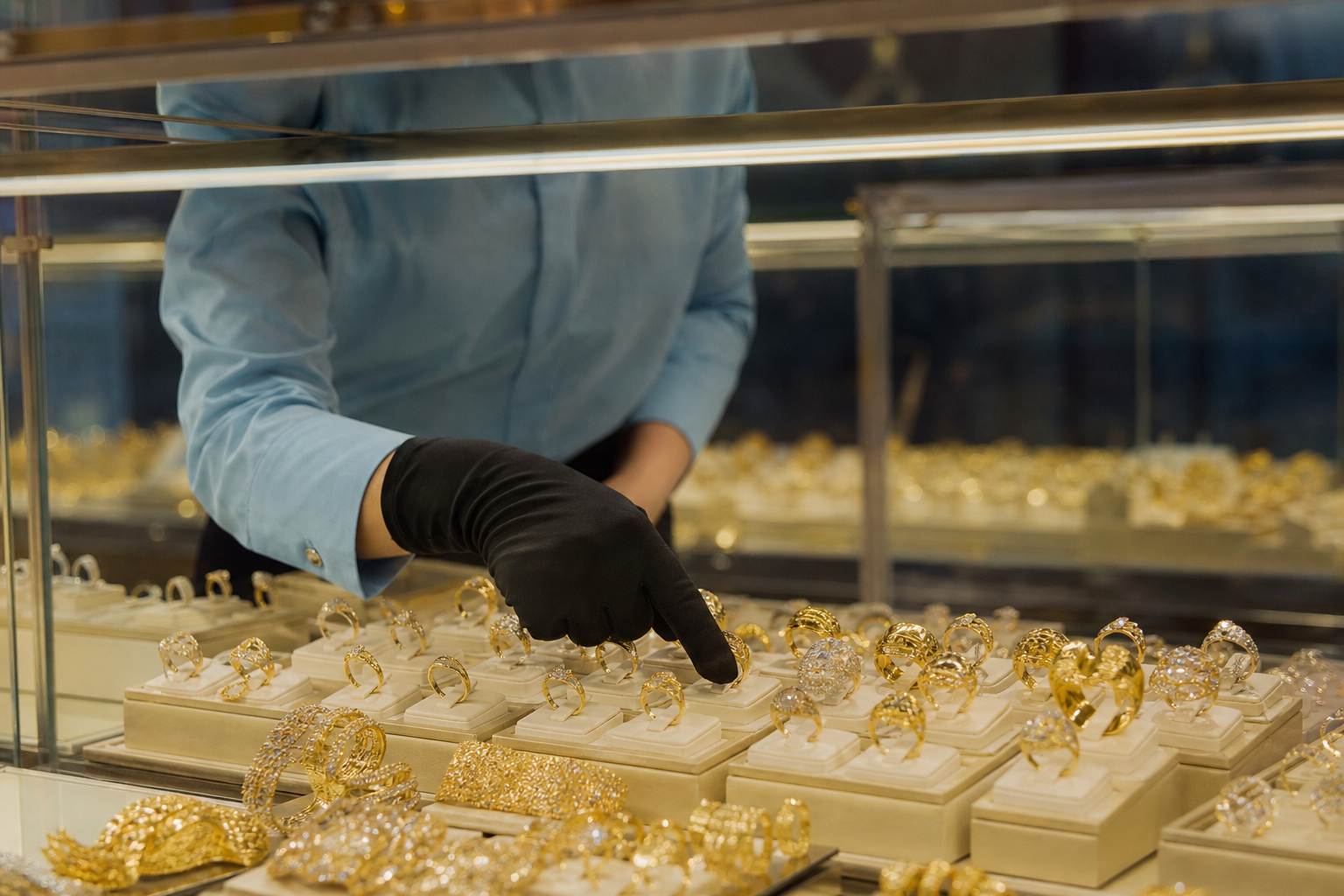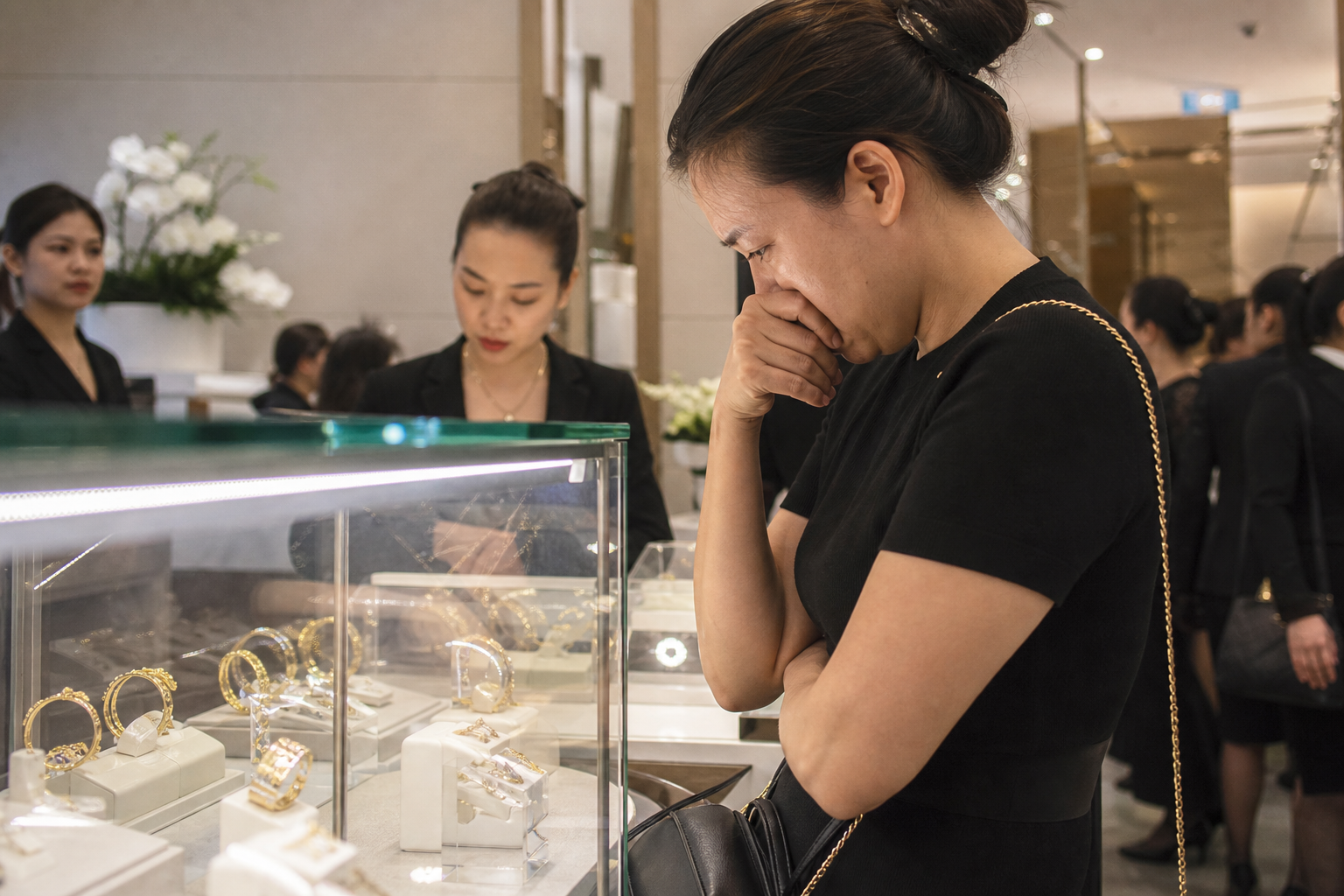
Vietnam's largest listed jeweler, Phu Nhuan Jewelry (PNJ), has spent more than 7,062 billion dong — roughly $280 million — repurchasing gold, diamonds, and jewelry from customers since the start of July. The buyback volume in the first three weeks of the month ran 3.7 times larger than the company's outright sales, exposing a severe mismatch between cash outflows and inflows.
The Trigger: A Smuggling Arrest
The crisis traces back to early July, when Dang Ngoc Thao, the former director of P-Lab, PNJ's gemological subsidiary, was prosecuted on charges linked to a diamond smuggling ring. The arrest shook consumer confidence almost immediately. PNJ's chairwoman Cao Thi Ngoc Dung publicly insisted that none of the smuggled stones entered the company's retail inventory and that all products sold through PNJ stores were sourced through legitimate channels. The reassurance was only partially effective: customers continued to flood stores seeking to liquidate their holdings.

Scale of the Buyback Pressure
During the first 20 days of July, PNJ disbursed 5,900 billion dong in buyback payments while recording just 1,588 billion dong in retail revenue. That gap — roughly 4.3 billion dong of cash out for every 1 billion dong received — created a significant liquidity drain. A further 1,162 billion dong in buybacks followed in the seven days after PNJ revised its policy on July 21, suggesting the selling pressure had not fully abated even after the policy shift.
Policy Pivot to Ease Cash Flow
Facing mounting pressure, PNJ restructured its repurchase terms. Customers who want cash now face a staggered payment schedule that can extend up to 120 days. Those willing to exchange their items for alternative PNJ products receive immediate processing and an added discount. The incentive proved effective: according to the company's investor letter, 95 out of every 100 customers who came to sell chose the product-swap route over cash, meaningfully improving the company's net cash position in the short term.
Store-Level Rationing Causes Friction
The revised policy introduced per-store daily buyback quotas that fluctuate with the company's cash position. VnExpress reporters observed that several outlets in central Ho Chi Minh City began refusing buyback requests once their daily limits were reached, forcing customers to visit more distant branches or schedule appointments for future dates. The rationing creates reputational risk: while PNJ avoided a hard refusal policy, the queue management signals that liquidity constraints remain real and dynamic rather than fully resolved.
Market Capitalization Hit
PNJ shares fell sharply throughout July, with the stock losing close to half its market capitalization over the month. The selloff reflects both the direct financial strain — a balance sheet absorbing billions of dong in inventory while cash receipts lag — and broader investor concern about governance risk following the P-Lab prosecution. Management has acknowledged that market conditions may continue to weigh on earnings and cash flow, while committing to financial discipline and tighter inventory turnover management.

Investor Takeaway
For investors in Vietnamese consumer and retail equities, the PNJ episode illustrates how quickly reputational risk can translate into a liquidity event for asset-heavy businesses. The company's rapid policy adjustment — and the high rate of customer uptake on product swaps — suggests operational agility, but the 120-day deferred payment window means cash flow visibility will remain limited through the third quarter. Investors should watch PNJ's next earnings report closely for inventory turnover ratios and net cash from operations, which will reveal whether the July shock was an acute spike or the start of a deeper structural strain on the business.