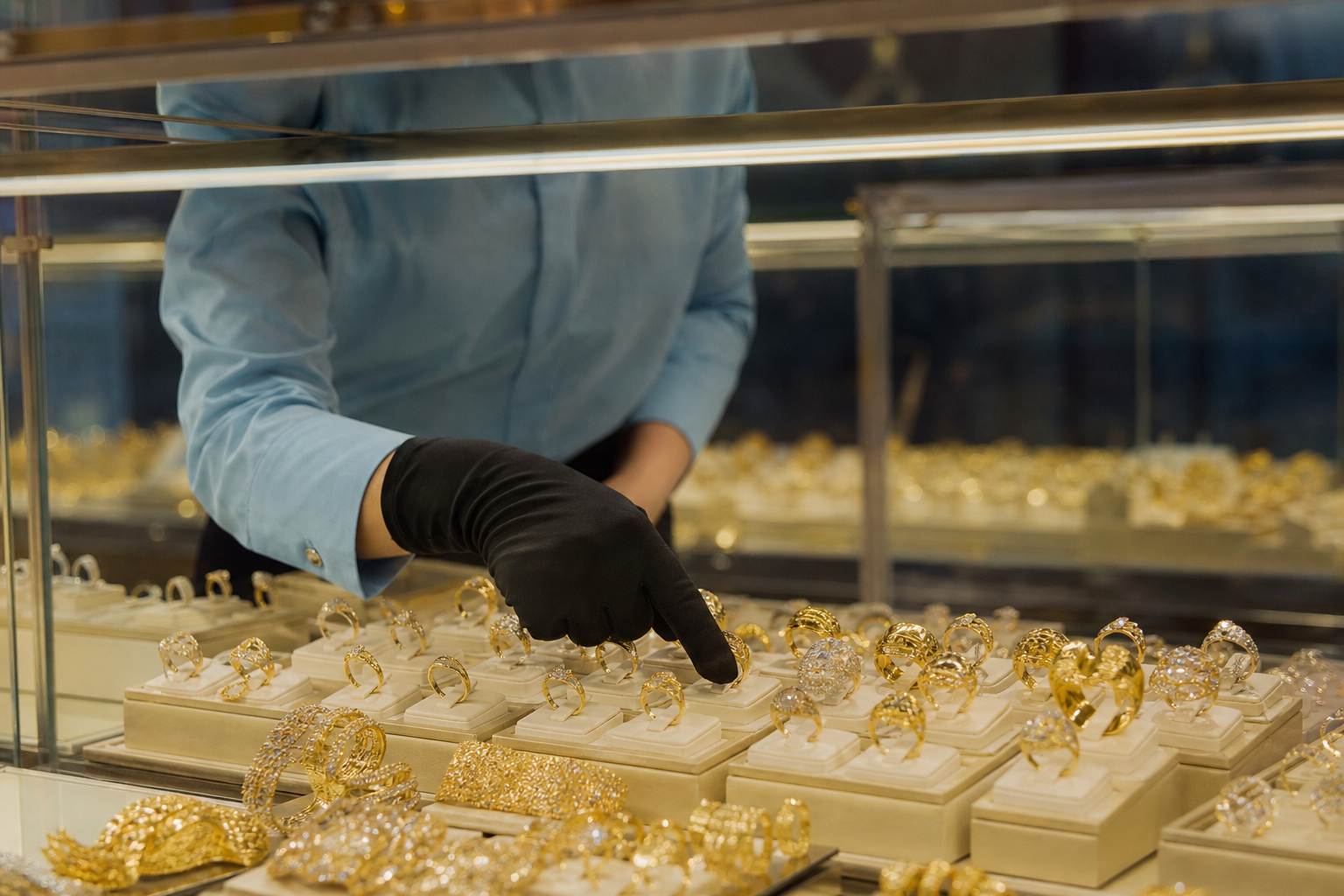
PNJ shares staged a sharp reversal on July 8, climbing 2.36% to VND 52,000 and recording over 25.6 million units traded — an exceptional surge in volume after three consecutive floor-limit down sessions. The rebound came as Phu Nhuan Jewelry (HoSE: PNJ), Vietnam's dominant listed jewelry retailer, announced a plan to seek shareholder approval for a new treasury share buyback program.
Buyback Mechanics and the Procedural Step First
Before any new repurchase can begin, current Vietnamese regulations require PNJ to clear its existing treasury stock. The board has accordingly approved the sale of 169,559 treasury shares — the entirety of its current holding — at a market value of roughly VND 8.8 billion at the current price. Only after this disposal is completed and shareholders vote in favour via written consultation can the company proceed to buy shares back from the open market.
The sequencing matters for investors assessing the timeline. The buyback itself remains conditional: it requires a shareholder resolution and formal disclosure steps before execution. PNJ has not yet specified a target volume or price range for the eventual repurchase.
Insider Buying Compounds the Signal
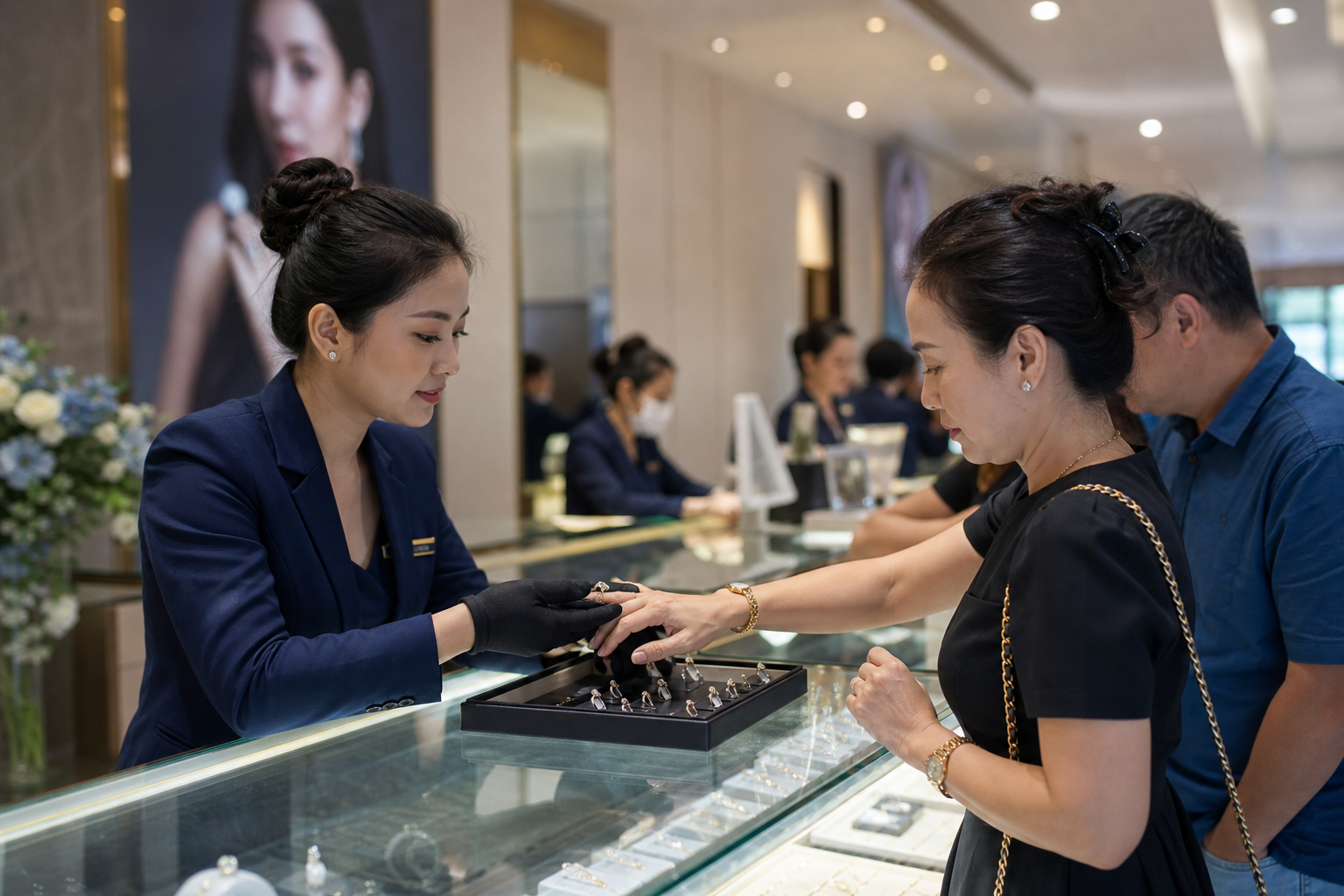
The corporate action does not stand alone. Just days before the July 8 announcement, Cao Ngoc Duy — younger brother of Chairwoman Cao Thi Ngoc Dung — registered to purchase 300,000 PNJ shares, worth approximately VND 15.6 billion at current prices. At a July 6 investor meeting, the chairwoman herself said several insiders were actively planning share purchases and flagged the buyback option as a tool for preserving long-term value.
Taken together, the insider registration, the chairwoman's public guidance, and the formal board resolution represent a coordinated confidence signal — rare in its transparency for Vietnamese listed companies.

What Triggered the Sell-Off
The three floor-limit sessions that preceded the rebound traced back to news that Dang Ngoc Thao, formerly head of P-Lab — a PNJ subsidiary providing diamond grading and certification services — is under investigation for allegedly smuggling diamonds. The news prompted immediate market concern about PNJ's core jewelry and gemstone business.
PNJ's management moved quickly to contain the fallout. At the July 6 investor meeting, executives stated that all diamonds imported by PNJ carry full and valid documentation, and that P-Lab operates exclusively as a certification body rather than a diamond trader. The company also confirmed that none of the roughly 28,000 diamonds cited in the investigation had entered PNJ's retail distribution network.
Governance Credibility Under Scrutiny
The episode tests a dimension of PNJ that has historically been a selling point for institutional investors: its governance track record. The company built a reputation as one of HoSE's more transparently managed retail businesses, and the speed of its response — a public investor meeting within days of the investigation becoming public, followed by a formal board resolution — reflects awareness of that reputation's commercial value.
Yet the structure of the announcement carries some ambiguity. Selling existing treasury shares into a market that has just fallen sharply could create short-term supply pressure at precisely the wrong moment, even if the procedural rationale is sound. Investors will watch whether the eventual buyback authorization materializes quickly enough to offset that dynamic.
Operational Picture Remains Intact
PNJ's latest statement insists that day-to-day business operations are stable and that long-term growth strategies remain on track. The company reiterated its commitment to legal compliance and governance transparency. Whether the diamond probe produces further regulatory or reputational consequences will determine how durable the July 8 recovery proves to be.
For investors, the core question is straightforward: the buyback plan and insider buying address near-term sentiment, but the investigation into P-Lab is unresolved. Until authorities conclude their inquiry and confirm the firewall between the subsidiary's certification activities and PNJ's retail supply chain, the stock is likely to trade with a risk premium it did not carry two weeks ago. Those comfortable with that uncertainty may find the post-selloff valuation attractive; those requiring full legal clarity will want to wait for the investigation's outcome before adding exposure.