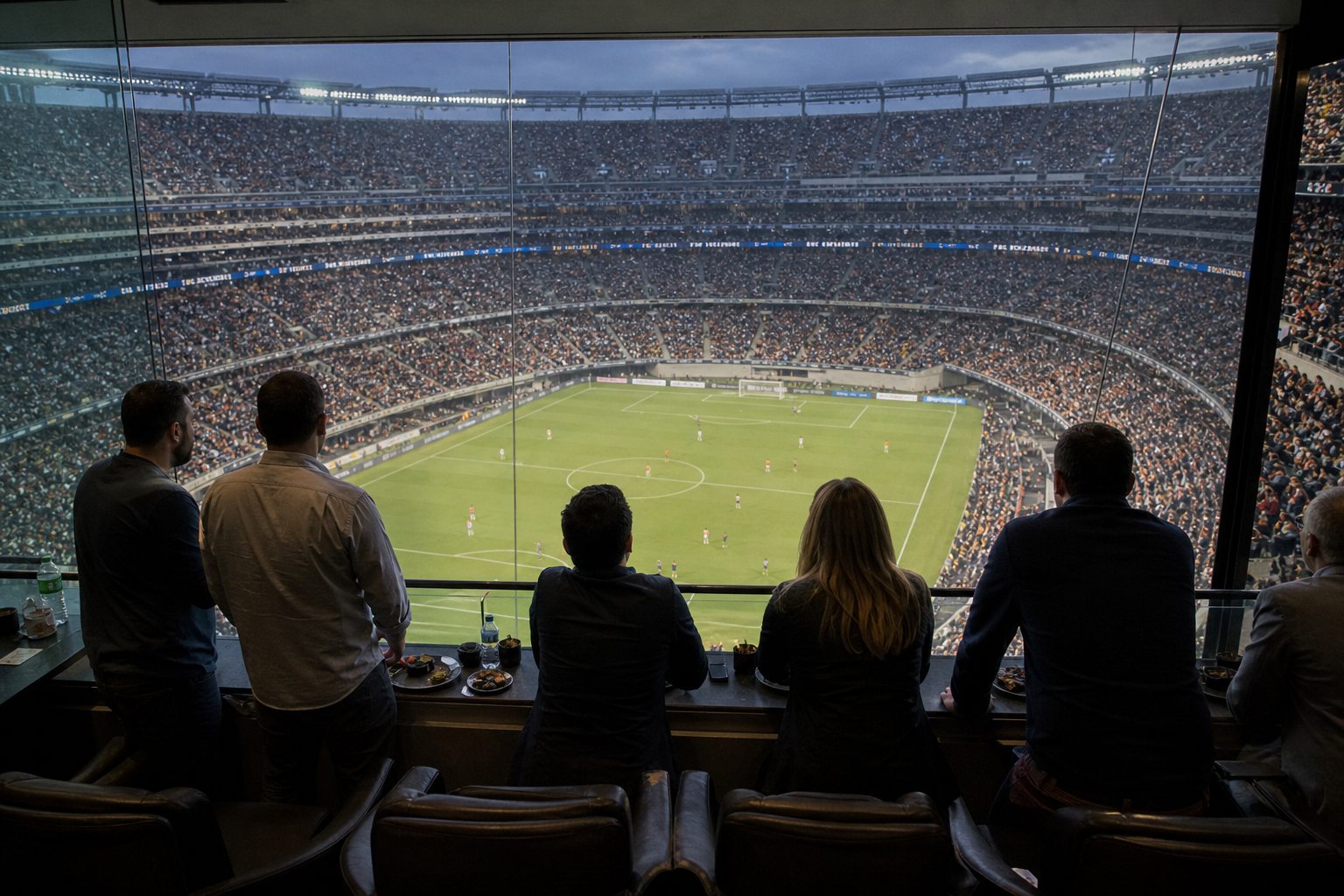
Spain and Argentina will contest the 2026 World Cup final at the venue known commercially as MetLife Stadium on July 20 — but FIFA rules require the arena to drop its corporate name for the tournament, a detail that underscores just how aggressively the facility monetises every surface. Located in East Rutherford, New Jersey, the stadium has hosted roughly 3,600 events since opening in April 2010, averaging 222 per year — or nearly 19 per month.
A Stadium Built on Shared Ownership
The $1.6 billion facility was funded equally by the NFL franchises New York Giants and New York Jets, making it the only stadium in the league where two teams share the same home turf. That co-ownership structure spread the capital burden while giving both clubs an equity stake in a venue that generates revenue far beyond match days. The construction financing was structured around NFL low-interest loan programmes, with luxury suite revenues designated to service that debt over 15 years.
Naming Rights as a Long-Term Asset
In June 2011, insurance giant MetLife purchased the stadium's naming rights for 25 years at a reported cost of 17–20 million USD annually. The decision was not purely speculative: former MetLife Chief Marketing Officer Beth Hirschhorn noted the deal was grounded in measurable returns already demonstrated during an earlier strategic sponsorship phase. At those annual fees, the full naming-rights contract represents a commitment exceeding $400 million over its lifetime — a substantial vote of confidence in the stadium's audience reach.
Selling Every Gate and Corner
MetLife Stadium extended the sponsorship logic beyond its name to individual entry gates, creating what it calls Cornerstone Partners packages valued at roughly 7–12 million USD per year each. Telecoms group Verizon secured the southwest gate early on. In 2022, Indian technology firm HCLTech became the stadium's official AI partner, gaining the southeast gate, in-game NFL advertising placements and VIP area access. Two years later, credit ratings agency Moody's replaced Pepsi as a Cornerstone Partner, receiving gate naming rights, a premium hospitality zone, advertising inventory inside the arena, and the right to use New York Giants and Jets imagery in its own marketing materials. The progression from telecoms to tech to financial services reflects how the stadium's sponsorship base has broadened well beyond traditional sports advertisers.
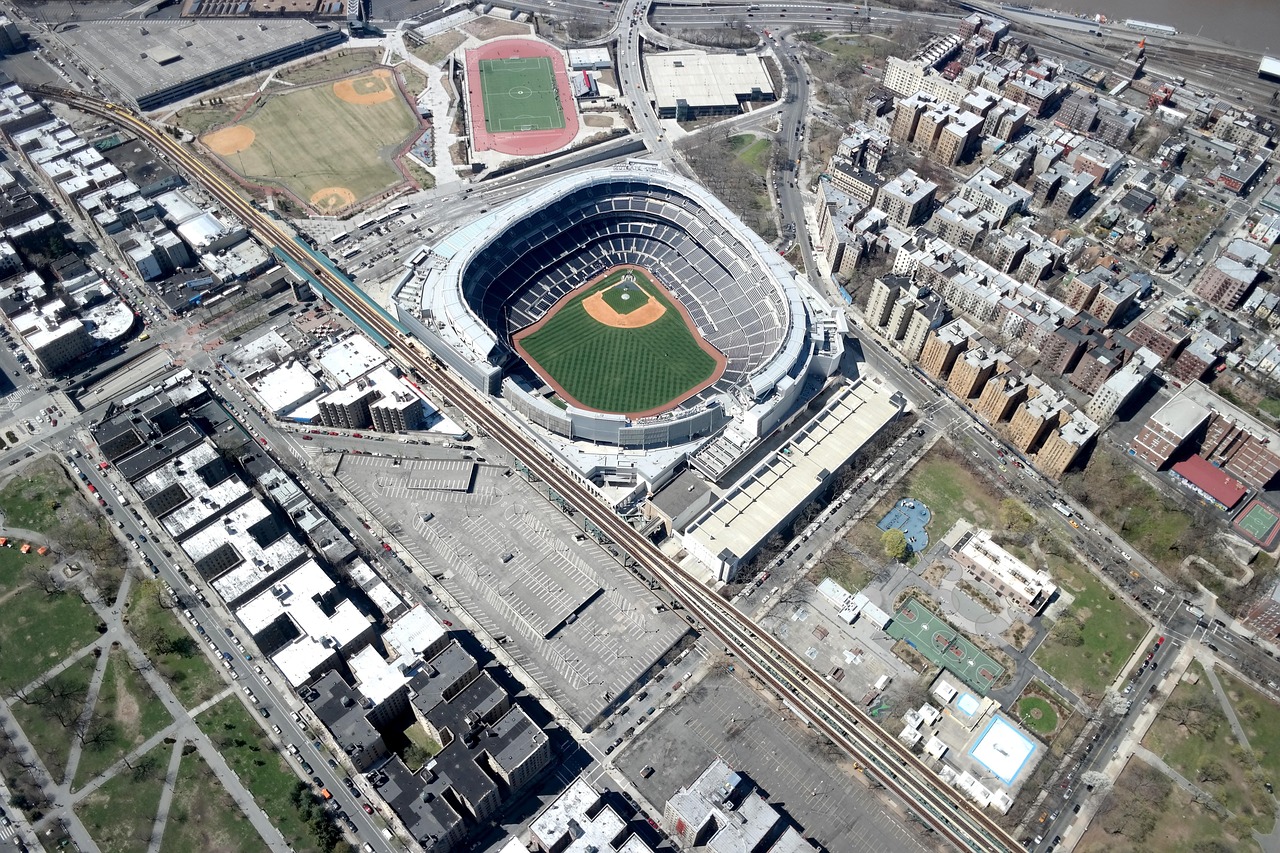
Luxury Suites and the Infrastructure Investor's Lens
The stadium holds more than 200 luxury suites priced between $5,000 and $30,000 per event depending on the occasion. That recurring corporate hospitality income forms the backbone of its debt-service model. MetLife Investment Management, which has financed multiple US stadium projects, argues that modern arenas are valued not by attendance figures but by the long-term contracted cash flows from naming rights, sponsorship, advertising, premium seating, parking and food and beverage operations — streams that make stadiums attractive collateral for banks and infrastructure funds.

Entertainment Calendar Fills the Gaps
American football accounts for only a fraction of the annual event slate. The stadium described 2023 as one of its strongest commercial years, driven in part by 18 concert performances. In 2024, a sold-out El Clásico friendly drew 82,154 spectators. After the World Cup final, the calendar for the rest of 2025 already includes sold-out BTS dates in early August, followed by concerts from Usher Raymond, Chris Brown, Bruno Mars, Ed Sheeran and Big Bang — 37 major events in total before year-end. That entertainment diversification insulates revenue from the NFL's seasonal schedule and justifies the high fixed costs of maintaining a venue at this scale.
The Takeaway
MetLife Stadium illustrates a maturing model in sports infrastructure finance: the physical asset is essentially a long-duration royalty stream dressed in turf and steel. For infrastructure funds or sovereign wealth vehicles tracking US real assets, the stadium's contractual revenue stack — naming rights locked for decades, tiered corporate sponsorships, and premium hospitality tied to a packed event calendar — offers the kind of predictable cash flow profile that increasingly attracts institutional capital well beyond traditional sports investment.