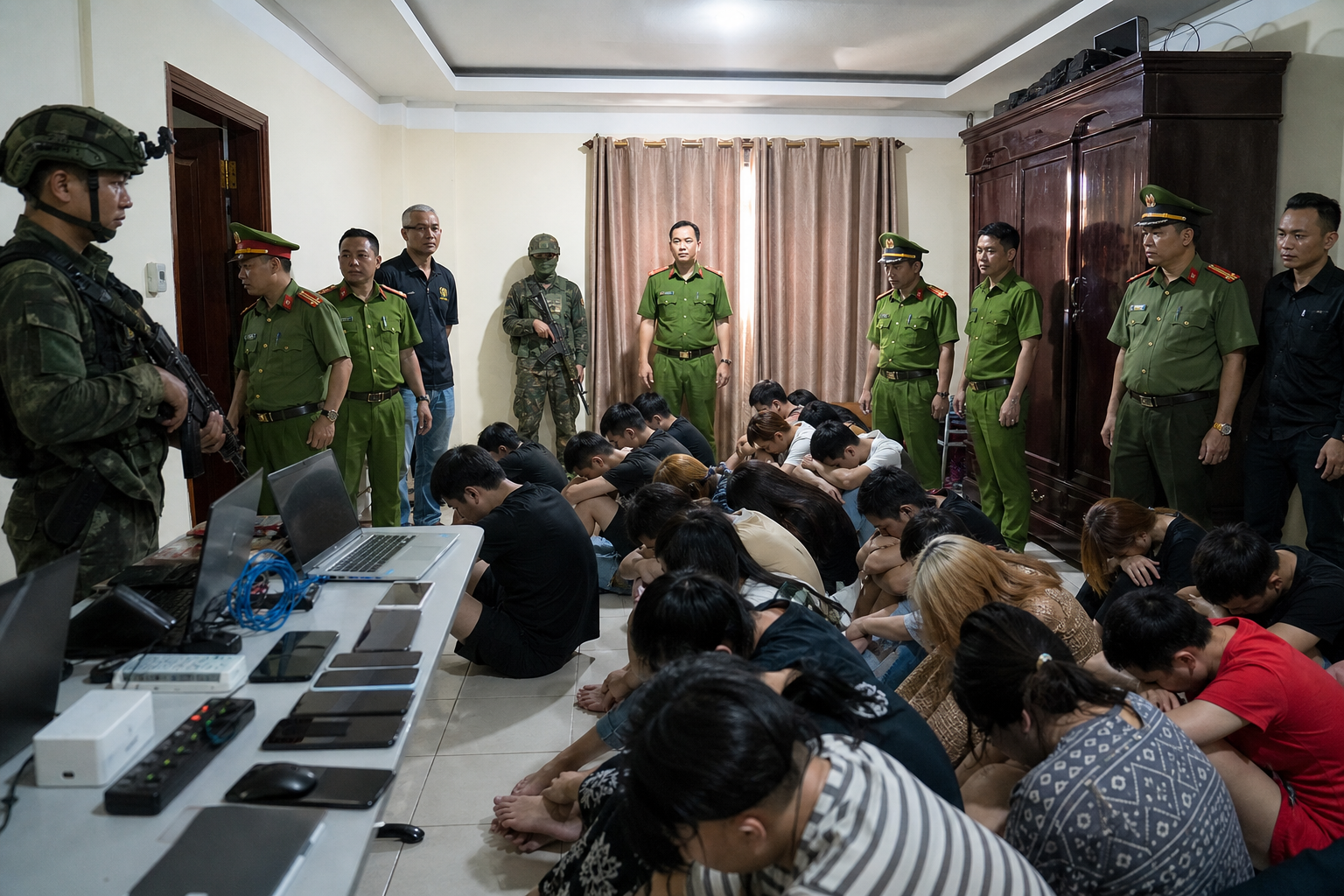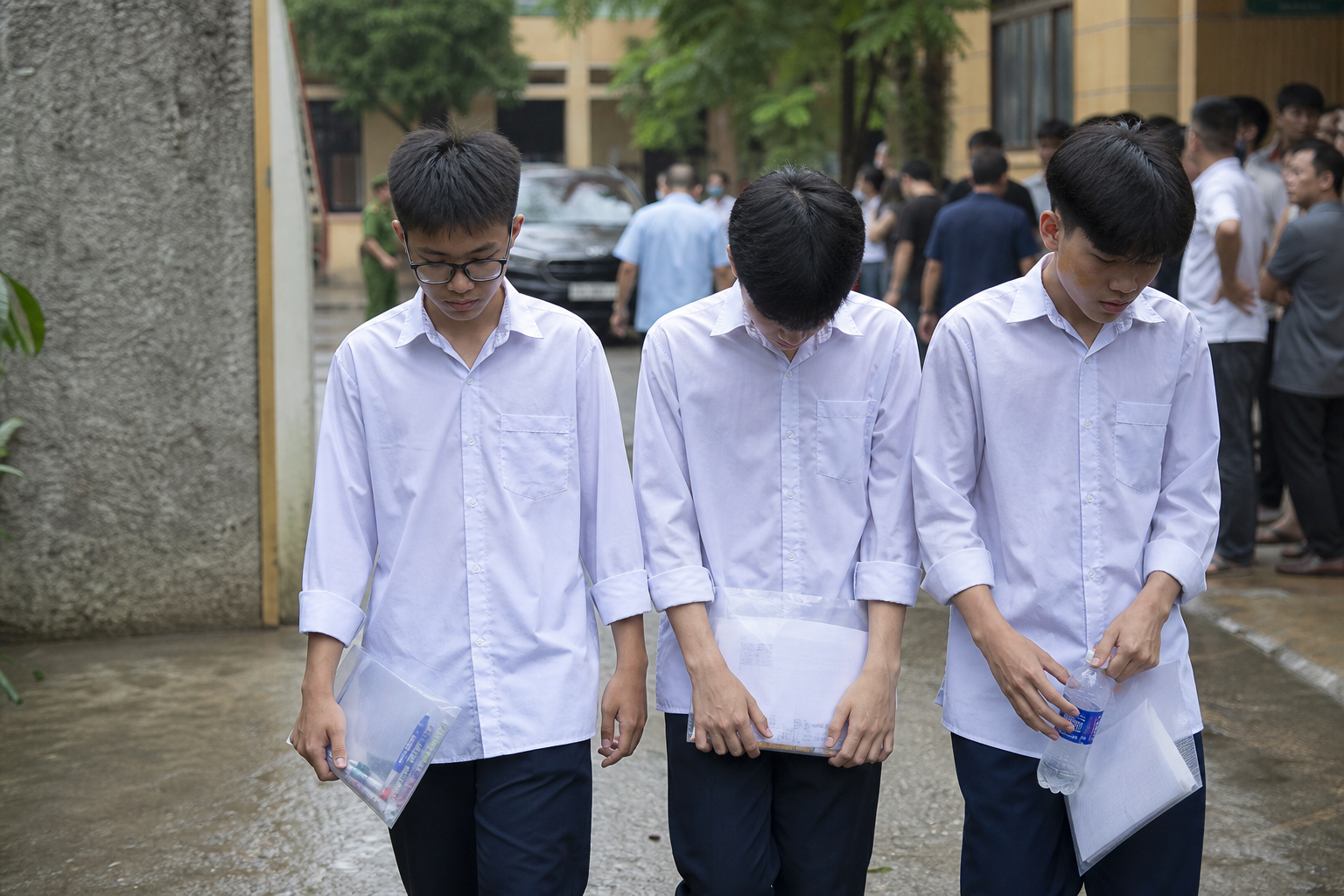
Vietnam's Ministry of Education has cancelled the national high school graduation exam results for all 328 students at the specialised Tuyen Quang high school, ordering a full retake across every subject on 14–15 August, with results due on 19 August. The Ministry of Public Security has classified the cheating as "organised misconduct," with 29 suspects charged and seven held in pre-trial detention.
Suspiciously Perfect Scores
The case came to light on 1 July when analysts noticed that more than 290 of the 328 students at the school — a selective institution in Tuyen Quang province — had scored 9 or above out of 10 in Mathematics on the 11–12 June national exam. Around 140 of those students achieved a perfect score, a statistical anomaly that stood out sharply against results from every other specialised school in the country. The ministry confirmed that scores across all subjects at the Tuyen Quang site were higher than those at comparable schools nationwide.

How the Cheating Worked
Investigators identified a chain of responsibility running from school leadership down to individual teachers and, in some cases, parents. According to the Ministry of Public Security, Tran Thi Thu Hang, the school's vice-principal and chief examination supervisor, directed invigilators to give students improper assistance during the Mathematics paper. Mathematics teacher Nguyen Ha Duy then entered the exam room and directly guided certain students through the test. Some parents were also found to have coordinated with school staff, and a number of students admitted to exchanging answers — though authorities noted this still understates the full scale of the violations.

Criminal Charges Filed
The Ministry of Public Security has so far charged 29 individuals, all under the criminal provision relating to abuse of position and authority in the performance of official duties. Seven are in pre-trial detention. Investigators acknowledged the case is complex: it involves a large number of participants, the misconduct was coordinated across the examination board as a whole, and the 18-year-old students, while legally adults, are considered to have had limited understanding of the legal consequences. Responsibility for individual students will be determined separately based on the outcome of the criminal investigation.
Retake Logistics and University Admissions
The exam steering committee has been clear that the retake is a remedial measure to restore fairness, not a disciplinary sanction against students. All 328 students will sit every subject again on 14–15 August at a venue yet to be confirmed. Because their original results have been voided, they were temporarily excluded from the university admissions filtering rounds that began on 4 August — a process involving nearly 875,000 applicants nationwide. However, their university preference forms remain on file and will be reinstated once the August retest scores are published on 19 August, ensuring no lasting disadvantage relative to the broader applicant pool.
Wider Exam Integrity Context
The episode is the most significant Vietnam exam scandal since widespread cheating was uncovered in Ha Giang, Hoa Binh, and Son La provinces during the 2018 national exams, when thousands of scores were manipulated. That earlier wave of cases prompted structural reforms to the testing system. The Tuyen Quang case suggests that on-site human intervention — rather than digital score manipulation — remains a vulnerability, and the ministry's decision to wait several weeks before ordering the retake reflects the evidentiary caution that the 2018 experience demanded. Tuyen Quang province had itself proposed the retake on 9 July, but the ministry asked for a more thorough independent verification before acting.
What Happens Next
The August retake gives affected students a genuine second chance under properly supervised conditions, and the ministry has taken pains to protect their university placement rights in the interim. For the broader cohort of 1.2 million students who sat the June exam, authorities say there is no impact on their results or admissions prospects. The criminal process will run in parallel: individual culpability — for supervisors, teachers, and students found to have actively cheated — will be assigned once investigators complete their work. The outcome will likely set a benchmark for how Vietnam prosecutes organised exam fraud at the institutional level.