A cluster of large-scale infrastructure and real estate projects is advancing simultaneously across Vietnam, collectively representing hundreds of thousands of billions of dong in committed capital. The deals span urban transit, highland tourism, cross-mountain road tunnels, and new-city development — signaling that both public and private investors are doubling down on the country's physical backbone.
Ho Chi Minh City Metro Gains Momentum
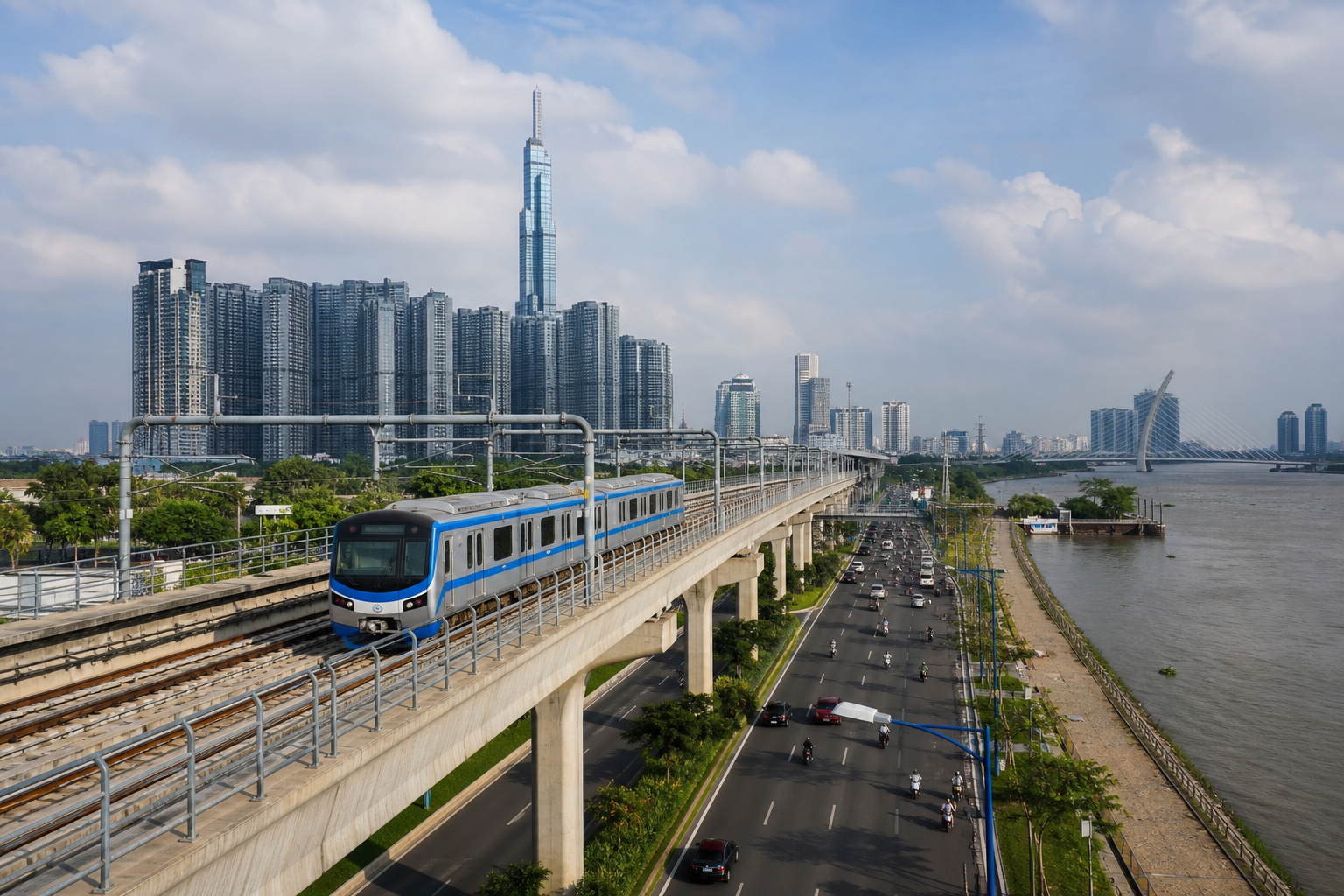
The most capital-intensive project in the current pipeline belongs to Ho Chi Minh City. Metro Line 2, connecting Bến Thành and Tham Lương, has formally moved from the preparation phase into active site construction — a milestone that matters because Vietnamese megaprojects have historically stalled at precisely this transition. The line is being developed by THACO, the automotive and industrial conglomerate controlled by billionaire Trần Bá Dương, at a total investment exceeding VND 55,000 billion (roughly USD 2.1 billion). The shift to on-site works clears one of the biggest bureaucratic and logistical hurdles the project has faced, according to reporting by CafeF.
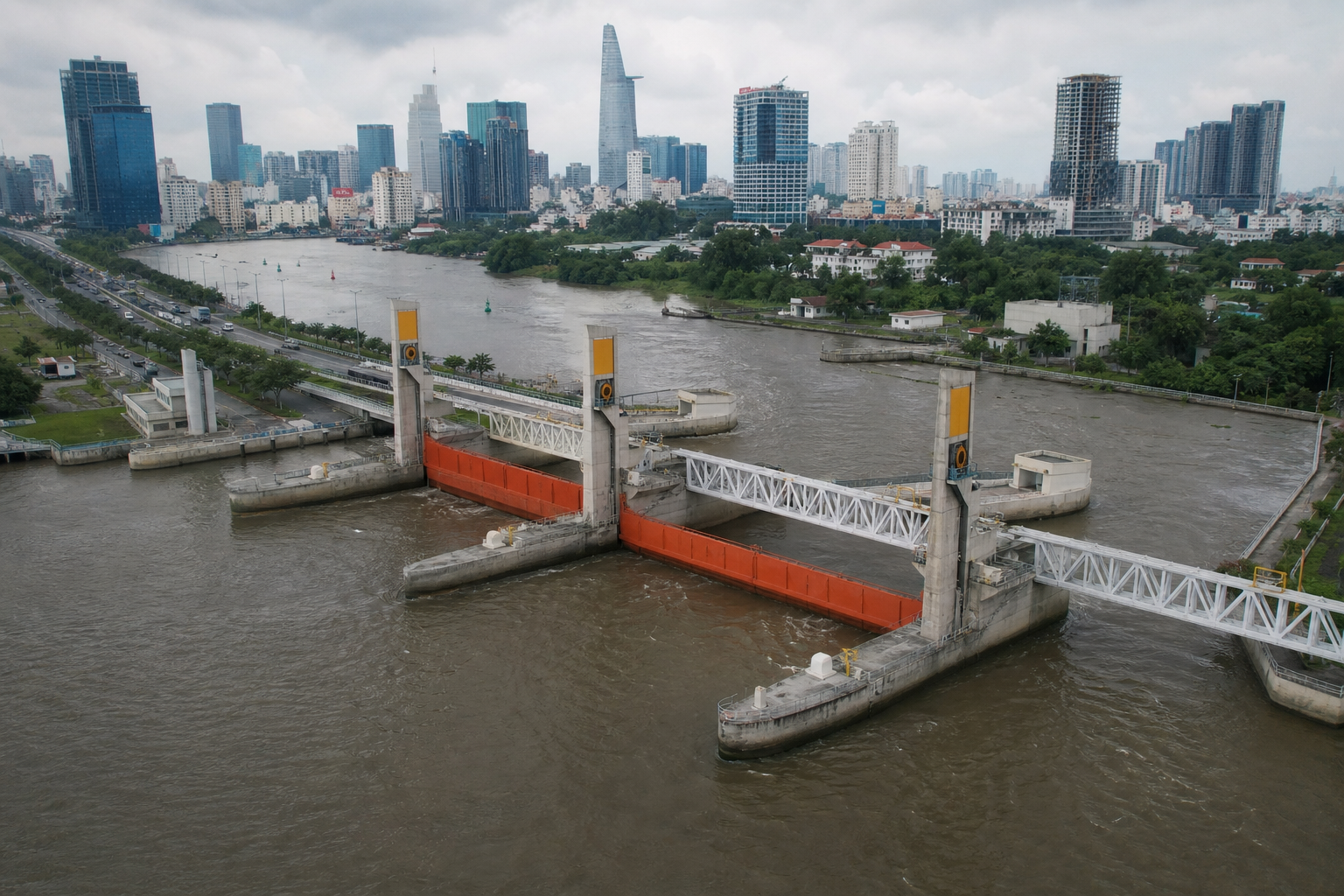
A separate urban project in Ho Chi Minh City is also accelerating. The Xuyên Tâm canal rehabilitation scheme, valued at VND 17,200 billion and cutting through four inner-city wards, has completed full site clearance — historically one of the most contentious steps in any Vietnamese infrastructure project. City leadership has instructed contractors to compress the construction schedule, targeting completion by end-2027, the same source reports.

Lâm Đồng Draws Chinese and Domestic Capital
Lâm Đồng province — Vietnam's largest by area — is emerging as a focal point for both foreign interest and domestic real estate ambition. China's Suzhou-based construction conglomerate Tô Thương Group has conducted site surveys across several priority projects in the province, including the Gia Nghĩa–Bảo Lâm expressway corridor and an upgrade of urban infrastructure around Xuân Hương Lake in Da Lat. The group is also studying a highway that would link the coastal city of Phan Thiết to Bảo Lộc and Gia Nghĩa, according to CafeF. Chinese construction firms' growing participation in Vietnamese provincial infrastructure reflects a broader regional trend, though formal contract awards have not yet been confirmed for any of these Lâm Đồng studies.
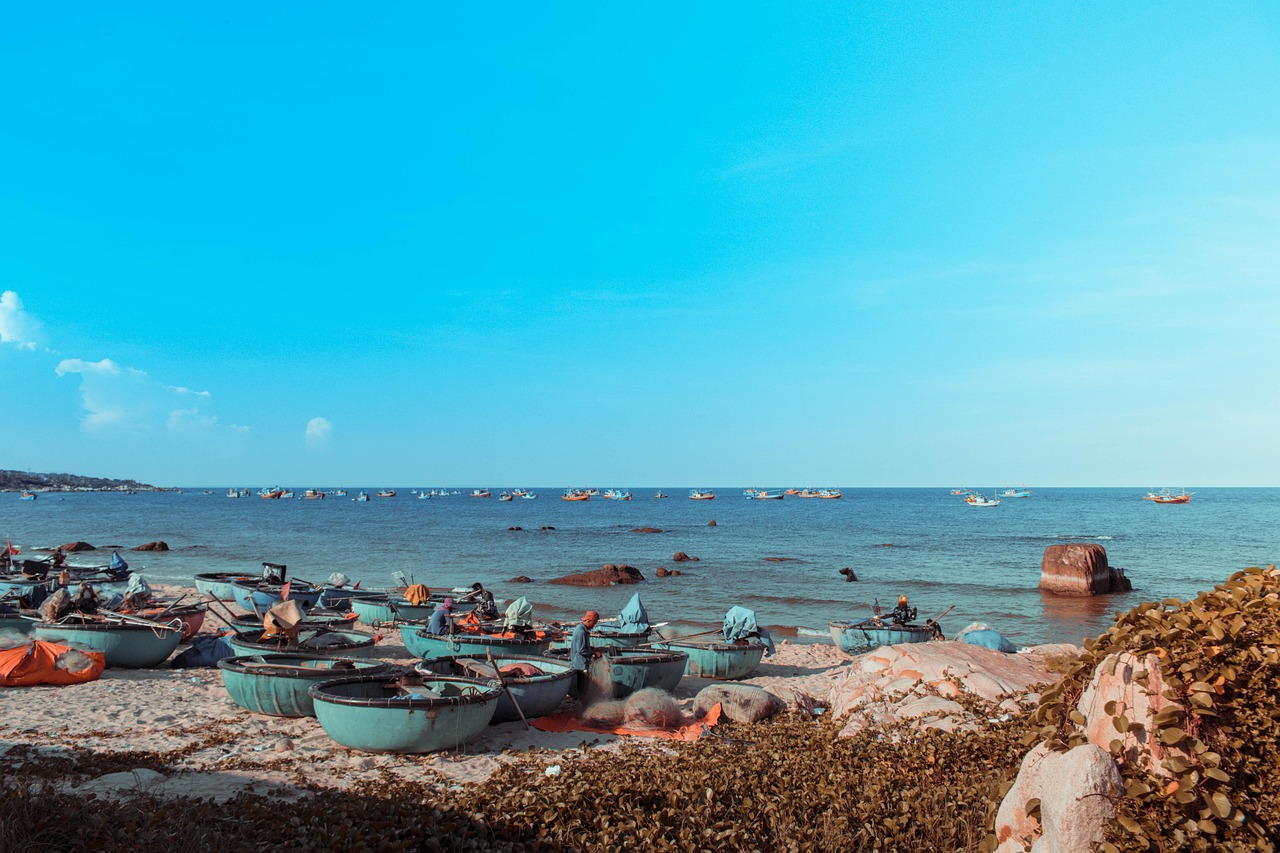
On the real estate side, Sun Group — through an affiliated developer — is planning two urban townships covering nearly 351 hectares in the same province, with combined investment of over VND 36,000 billion. The Hàm Tiến–Mũi Né commercial and service zones (sections IV and V) represent one of the larger single-province private real estate commitments announced this year, per CafeF. Mũi Né is already a functioning coastal resort corridor, and the scale of this expansion suggests Sun Group is betting on sustained domestic tourism demand.
Mountain Tunnel Cuts Northwest Travel Time
In Vietnam's Northwest region, the Đèo Cả consortium has begun boring an 8.8-kilometer road tunnel through the country's highest mountain pass. Once completed, the tunnel will reduce travel time across that stretch from two hours to just 11 minutes — a ratio that illustrates why mountain tunnels deliver outsized economic returns in Vietnam's terrain. The project is described as the highest-altitude road tunnel in the country and among the most technically advanced in the broader Northwest corridor, says CafeF. Đèo Cả has established itself as Vietnam's most active private tunnel developer over the past decade, typically operating on a build-operate-transfer model.
Cable Car to Vietnam's Coldest Peak
A cable car line reaching a summit above 1,500 meters at Vietnam's coldest location is now in development, backed by more than VND 7,300 billion in total investment. The project follows a well-worn playbook pioneered by Sun Group and Cáp Treo Bà Nà Hills: develop premium mountain access infrastructure, then monetize the resulting tourism footfall through hospitality and entertainment. CafeF reports that the latest project details confirm the vertical transport line will run directly to the peak, with construction details still being finalized.
What the Pipeline Signals
Taken together, these projects point to three concurrent dynamics. First, site clearance — long Vietnam's biggest project-killer — appears to be moving faster in the current political cycle, partly reflecting pressure from central government to hit infrastructure targets. Second, private capital, particularly from domestic conglomerates like THACO, Sun Group, and Đèo Cả, is filling gaps that state budgets cannot easily cover. Third, Chinese construction interest in provincial Vietnam is broadening beyond manufacturing supply chains into roads, urban infrastructure, and tourism.
For investors tracking Vietnamese capital allocation, the geographic spread is notable: money is flowing not just into Ho Chi Minh City but into highland provinces that were largely off the development map a decade ago. The build-out of roads, tunnels, and cable cars into those areas directly enables the next generation of resort and real estate projects — and the cycle is now clearly under way.