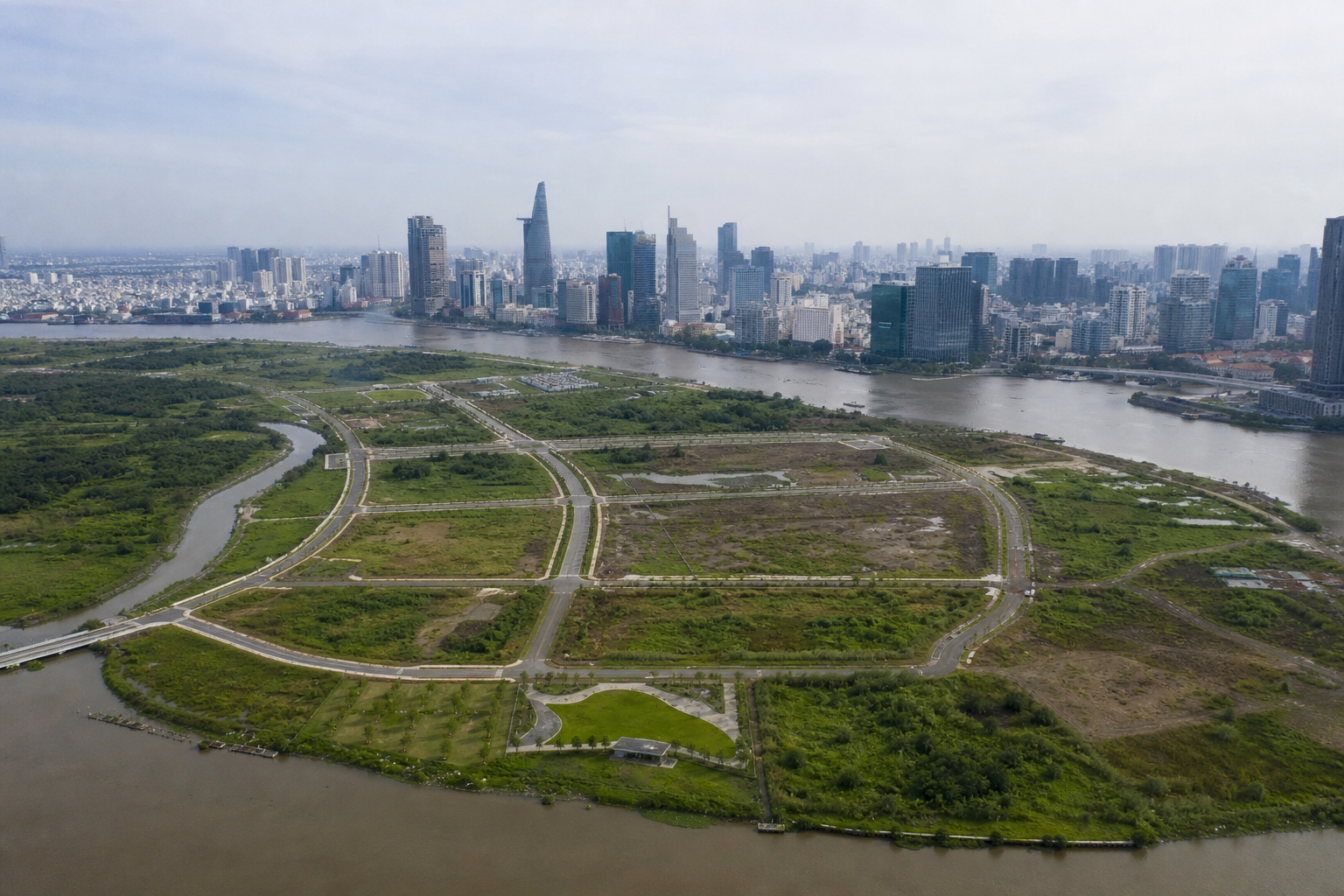
A $450 million groundbreaking in early July marks one of the largest single investments UOB has ever made in Vietnam. The 36-storey UOB Plaza Ho Chi Minh City will rise 160 metres above the Saigon River at No. 2 Ton Duc Thang Street, inside the Ba Son precinct — and inside the newly designated Vietnam International Financial Centre (VIFC-HCMC).
First Foreign Bank to Plant a Flag at VIFC
No other foreign bank has yet developed and owned a purpose-built headquarters within the VIFC-HCMC boundary. That distinction matters strategically: anchor tenants in emerging financial districts tend to attract follow-on institutions, service providers and talent. UOB's early entry gives it a positioning advantage in shaping the centre's network before the ecosystem matures. The move also completes UOB's flagship footprint across all five of its core ASEAN markets — Singapore, Malaysia, Indonesia, Thailand and Vietnam — for the first time.
Vietnam as a Tier-One ASEAN Market
UOB's capital commitment signals that Vietnam has graduated, at least in the bank's internal hierarchy, from a growth market to a core market. Most regional banks treat Vietnam as a promising but secondary destination; a nine-figure headquarters investment implies a different calculus. Victor Ngo, CEO of UOB Vietnam, has stated that the building will "strengthen UOB's ability to support clients' growing cross-border business," pointing to trade and investment flows — not just retail deposits — as the bank's primary revenue ambition in the country.
What VIFC-HCMC Is Meant to Become
Vietnam's government has framed the VIFC-HCMC project as the country's answer to Singapore's Marina Bay Financial Centre and Malaysia's Kuala Lumpur financial district. The Ba Son precinct on the Saigon River waterfront is designated to host international financial institutions, securities firms and fintech players under a regulatory sandbox framework. UOB's arrival validates that ambition but also tests it: the centre is still early-stage, and the bank is betting that the legal and regulatory infrastructure — including cross-border capital account rules — will develop in parallel with the physical one.

Chans2011 / Pixabay
Cross-Border Business as the Core Thesis
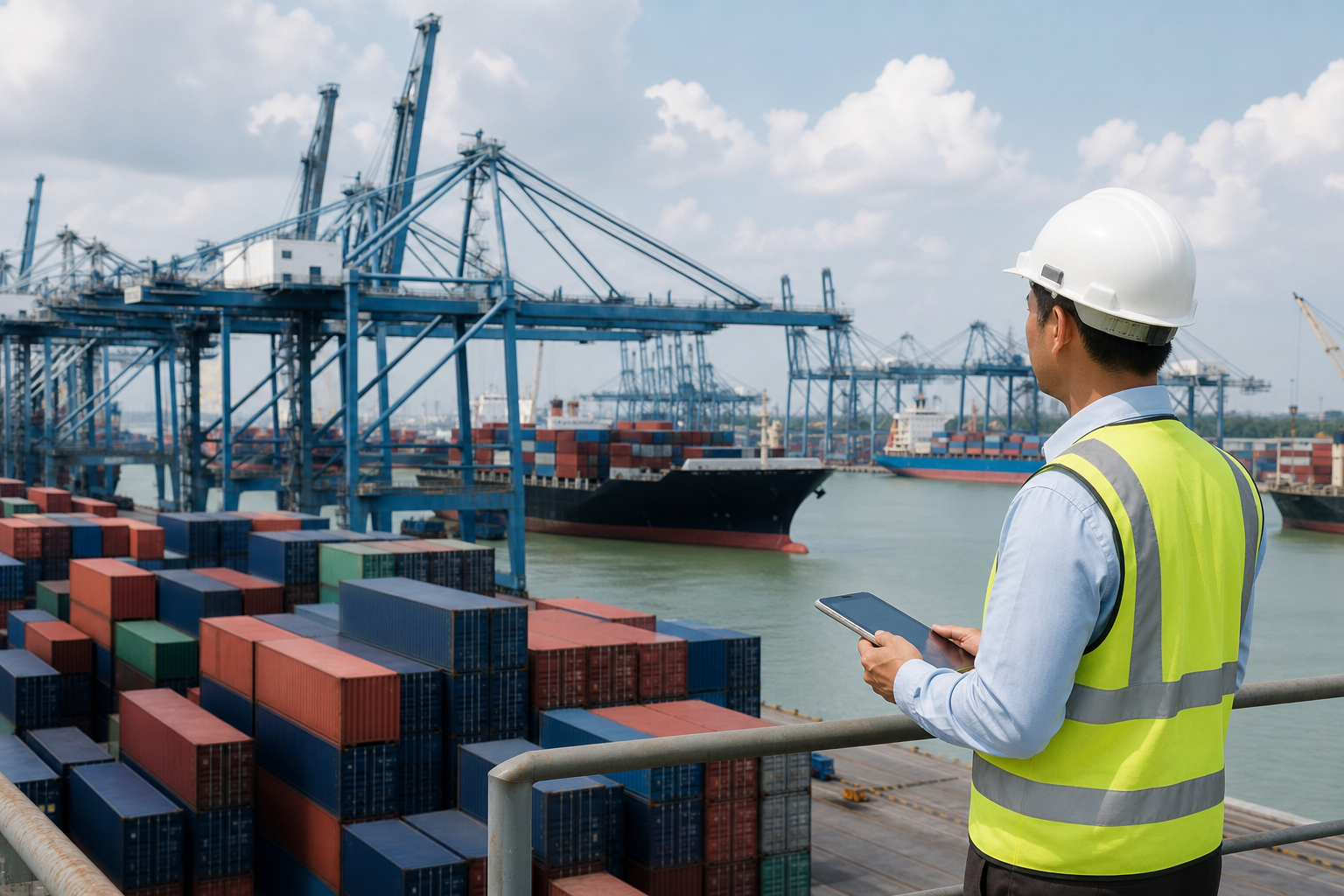
UOB's broader ASEAN strategy has centred on helping companies move capital, supply chains and people across borders within the region. Vietnam fits that thesis precisely. The country has attracted manufacturing investment from South Korea, Japan, Singapore and Taiwan, and those multinationals need banking partners who can handle both onshore Vietnamese operations and offshore treasury functions. A Grade A headquarters within a designated financial centre positions UOB to compete for that institutional and corporate business against HSBC, Standard Chartered and local state-owned banks, all of which hold longer-established branch networks in the country.
The Workplace as a Signal
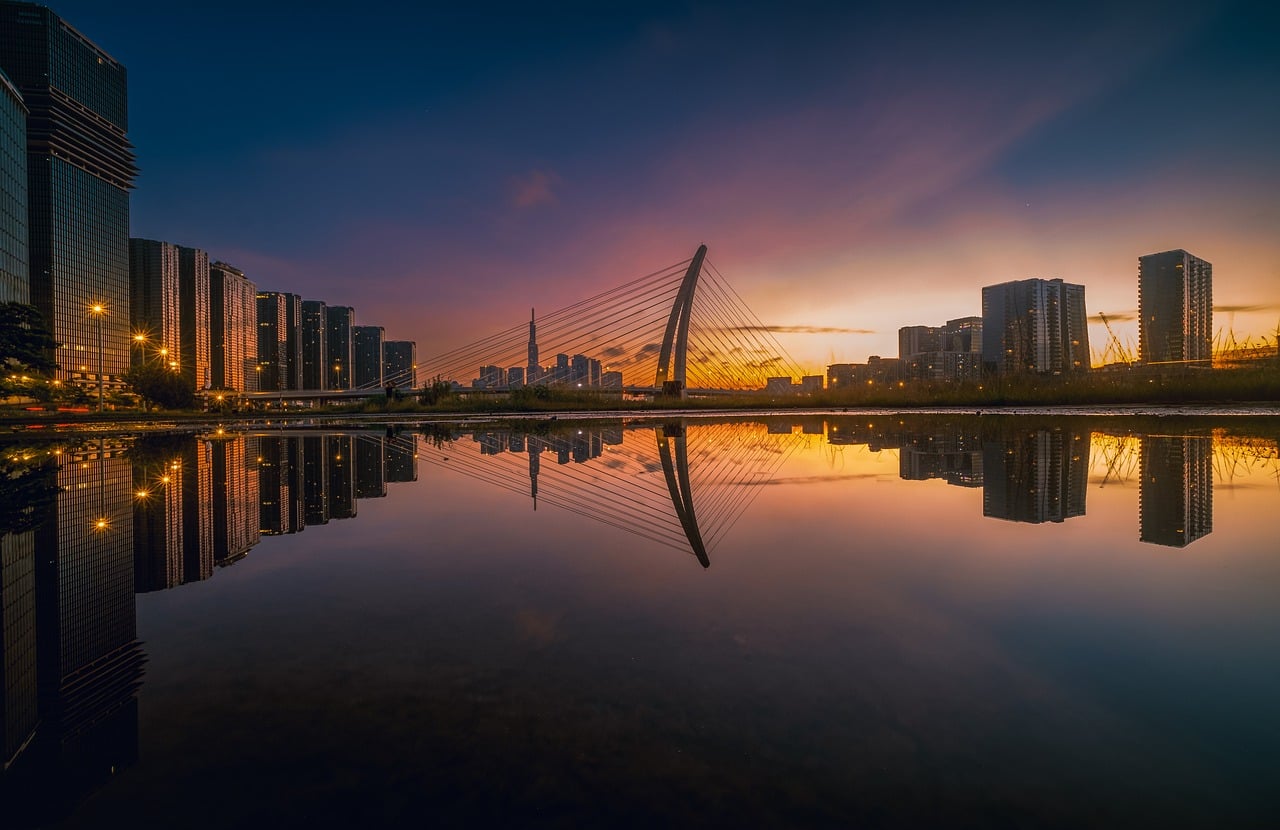
Beyond its strategic intent, the building's design reflects a broader shift in how financial institutions think about talent retention in Southeast Asia's tightening labour markets. UOB describes flexible layouts, river views and green spaces as central to the brief — features increasingly common in new regional headquarters across Singapore and Kuala Lumpur but still relatively rare in Ho Chi Minh City's office stock. The riverside location within a mixed-use urban precinct also reduces the isolation that can make standalone corporate campuses feel disconnected from city life.

Hai_Lam / Pixabay
Investor Takeaway
For global investors tracking Vietnam's capital market development, UOB's move is a credible signal rather than mere public relations. Banks do not allocate $450 million to markets they expect to disappoint; the investment implies confidence in Vietnam's macroeconomic trajectory, the VIFC's regulatory progress and demand growth for cross-border financial services. Investors watching whether Ho Chi Minh City can realistically compete with regional financial hubs now have a concrete anchor investment to benchmark future commitments against.

minhthai0105 / Pixabay