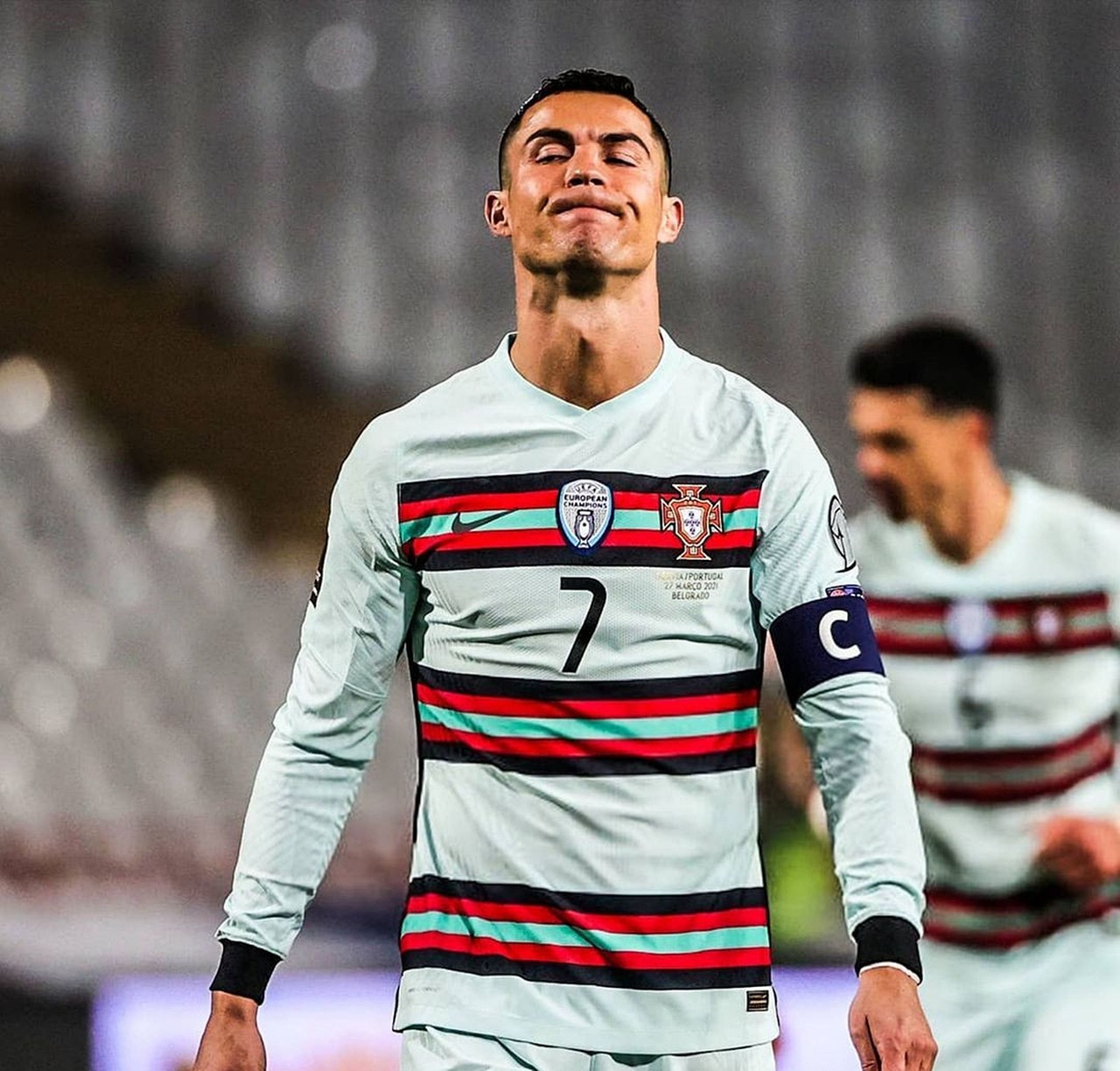
Cristiano Ronaldo's final World Cup ended in a 1-0 defeat to Spain in Dallas on July 6, with Mikel Merino's 90th-minute strike ending Portugal's campaign and closing the book on the greatest individual rivalry modern football has produced. Three goals in the tournament, a composed press conference, and a quiet tear on the pitch — this was not the exit of a man diminished by defeat.
A Loss Decades in the Making
The Iberian derby carried a particular weight no tactical breakdown could capture. Ronaldo spent the peak years of his club career at Real Madrid, scoring 451 goals in 438 appearances and winning four Champions League titles — all of it on Spanish soil. The country that elevated him to club immortality was also the one that ended his World Cup dream. That irony is difficult to script.
The match itself was tight and low-scoring, a far cry from the classic 3-3 draw at the 2018 World Cup where Ronaldo scored a hat-trick, including a free-kick in the 88th minute. This time, chances were scarce. Bernardo Silva headed against the crossbar; Ruben Neves missed the final opportunity. When the final whistle sounded, the margin was one goal and the deficit was permanent.
Three Goals, No Regrets
The more revealing moment came 24 hours before kickoff. At his pre-match press conference, Ronaldo arrived with an ease rarely seen ahead of a knockout elimination. He described playing at a World Cup on American soil as a privilege, spoke about pulling on the national jersey since age 18, and shrugged off the question of whether football owed him a world title. "Football doesn't owe me anything," he said — a sentence that reads very differently after the final whistle than it did before.
He also noted, with some satisfaction, that he had scored three goals in the tournament while many others had scored none. The tone was not boastful; it was the self-assurance of a man who had stopped seeking external validation.
The Messi Question, Answered With a Laugh
A reporter asked about Ronaldo and Lionel Messi both approaching what many assumed were their final World Cups. Rather than deflect or bristle, Ronaldo turned the question into a moment of self-aware humor, accusing the journalist of being Argentine and noting that his own wife, Georgina, is from Argentina — so he has always held a special affection for that country.
The two-decade rivalry between Ronaldo and Messi generated billions in commercial value, shaped club football seasons, and defined an era of individual excellence that may not recur. That Ronaldo could discuss it with warmth and humor rather than defensiveness signals something significant: the competition has given way to something closer to mutual acknowledgment.
What the Trophy Gap Cannot Erase
The absence of a World Cup winners' medal is the most cited gap in Ronaldo's record. It is also, in context, a narrow lens through which to assess a career that includes the 2016 European Championship, the UEFA Nations League, four Champions League titles, and records for international goals that may stand for a generation. He changed professional standards around physical conditioning, longevity, and preparation in ways that have influenced how clubs approach player development globally.
Missing the World Cup places him in distinguished company — Johan Cruyff, George Best, and Eusébio, among others, never lifted the trophy. The absence does not diminish the archive; it simply confirms that football remains a team sport where individual brilliance cannot guarantee collective outcomes.

Dallas as a Closing Scene
The tears on the pitch in Dallas were quiet, not bitter. Ronaldo left the field as someone who had tested his own limits rather than fallen short of the world's expectations. He told reporters before the match that he would walk off with his head held high regardless of the result, that he plays for love of Portugal and not personal accolades. After the defeat, that framing held.
For investors and commercial partners tracking the global football economy, Ronaldo's final tournament chapter carries its own signal: the world's most commercially valuable footballer exited with his brand intact, his likability arguably higher than at any point in the past decade, and an audience still engaged. The business of Ronaldo does not end in Dallas.
The scoreline read Spain 1, Portugal 0. The longer record reads differently — twenty-five years of professional football, more than 900 career goals, and a standard of dedication that reshaped what the sport demands of elite players. That is the ledger that survives a single night in Texas.

Images: Pixabay