Ho Chi Minh City has set an annual export growth target of 10–11% through 2030, anchoring a new five-year trade action plan signed by Vice Chairman Nguyen Loc Ha. The plan explicitly steers the city away from resource-intensive manufacturing and toward semiconductors, integrated circuits, and renewable energy equipment.
A High-Tech Export Pivot
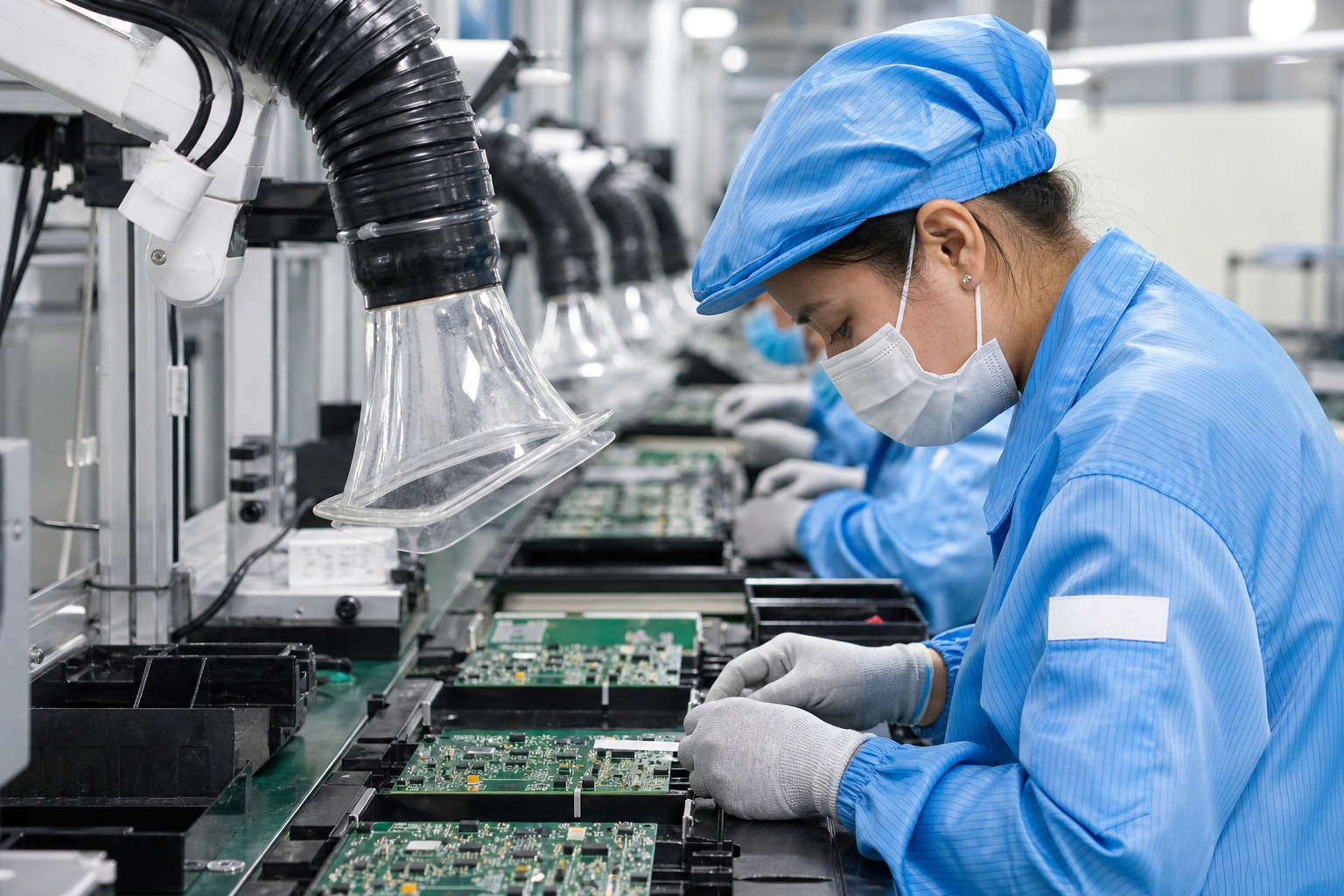
The city's 2026–2030 trade strategy targets processing and manufacturing industries accounting for more than 90% of total export value by the end of the decade. Semiconductor components, microchips, and computers sit at the top of the priority list. The city also wants to grow renewable energy equipment exports as global demand for clean-energy hardware accelerates. Critically, the plan states that production and exports of resource-heavy or environmentally polluting goods will not be encouraged — a deliberate signal to the kind of low-margin, high-externality industries that have historically dominated Vietnamese export tables.
FTA Markets as the Growth Engine
The plan sets a clear geographic ambition: more than 75% of the city's exports should flow through free trade agreement partners by 2030. Current targets call for Europe's share to rise to 17–18% and the Americas to climb to 30% of total shipments. Those numbers reflect a deliberate effort to diversify away from over-reliance on any single trade corridor, particularly as geopolitical tensions reshape global supply chains. Vietnam's existing FTA network — including the EU-Vietnam FTA and CPTPP — gives Ho Chi Minh City exporters preferential access that competitors in less treaty-connected markets cannot easily replicate.

Attracting Chipmakers and Multinationals
To back up the export mix targets with actual production capacity, city authorities plan an active push to attract multinational corporations in the semiconductor and electronics sectors. The strategy calls for linking incoming foreign direct investment with domestic firms, specifically to raise local content ratios inside finished products. Support for research and development activity forms a key pillar: connecting FDI enterprises with Vietnamese suppliers is meant to deepen value chains rather than simply adding assembly steps. This approach mirrors strategies employed in Malaysia's Penang and Taiwan's Hsinchu, where FDI anchors eventually catalyzed genuine local technological capability.
Logistics Cost Reduction
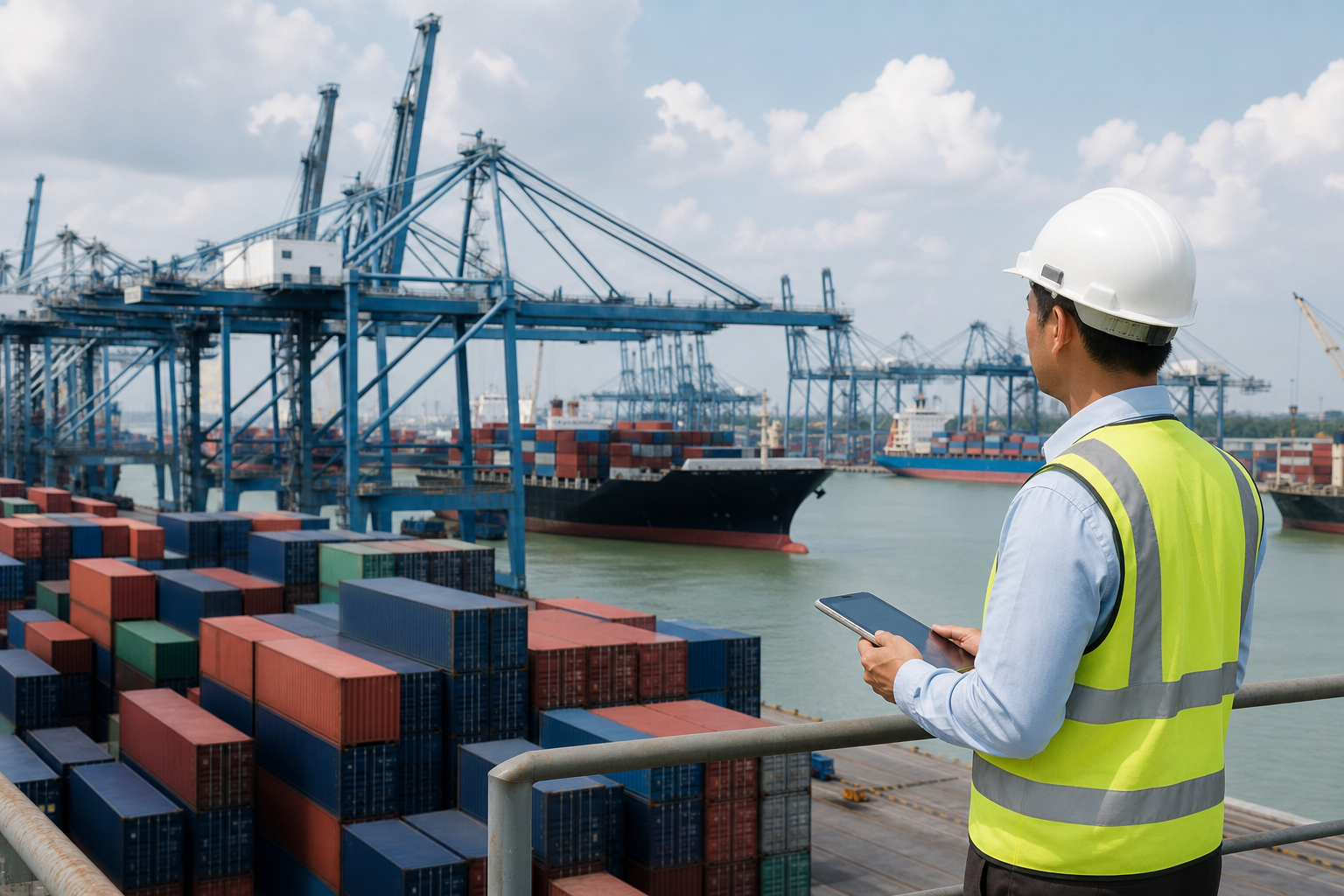
The plan acknowledges that infrastructure constraints remain a drag on competitiveness. Ho Chi Minh City targets bringing logistics costs down to 11–14% of GRDP by 2030, a meaningful reduction from current levels that would directly improve the price competitiveness of exports. The city also plans to review and upgrade seaports, inland container depots, and inter-regional road links with the goal of routing more than 80% of goods through city gateways once the infrastructure is complete. A new generation of free trade zones linked to smart logistics centers and an international transshipment hub are also under study.

Import Side of the Equation
The city's import growth target of 9–10% per year is set slightly below the export pace, signaling an intent to progressively narrow any trade imbalance. Higher-technology capital goods imports — machinery, chip fabrication equipment — are implicitly accepted as necessary to build the manufacturing base the export plan requires. By holding import growth below export growth over a sustained period, the city frames the strategy as one of managed, quality-led trade expansion rather than raw volume accumulation.
Investor Takeaway
For investors tracking Vietnam's semiconductor and electronics supply chain build-out, Ho Chi Minh City's plan represents a policy commitment that should channel zoning decisions, tax incentives, and infrastructure spending over the next five years. Companies in chip design, advanced packaging, and clean-energy hardware manufacturing stand to benefit most from the targeted FDI attraction effort. The logistics infrastructure push — port upgrades, ICD expansion, potential free trade zones — will also create opportunities in warehousing, freight forwarding, and related services as the city works to cut the cost of moving goods from factory floor to export gate.