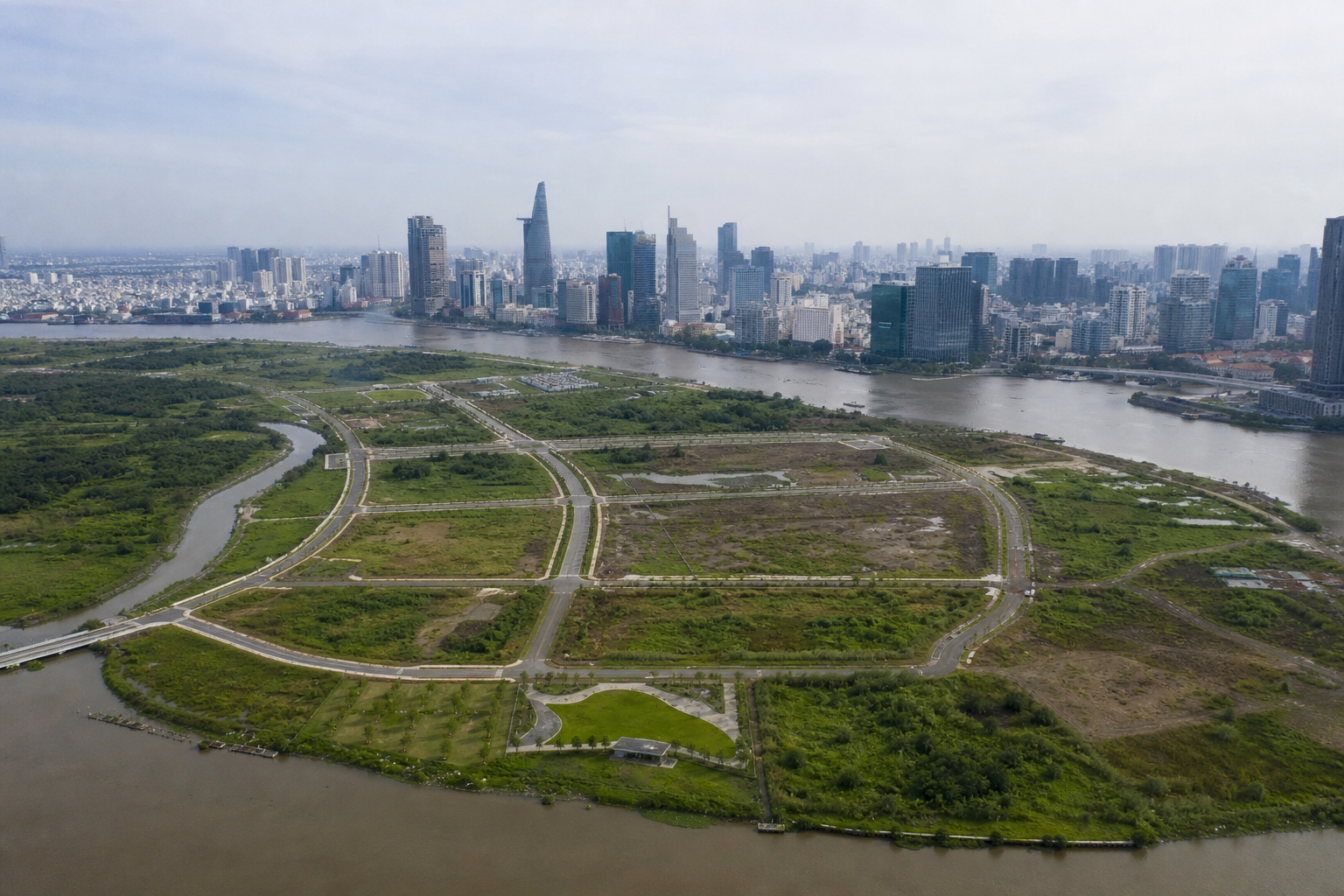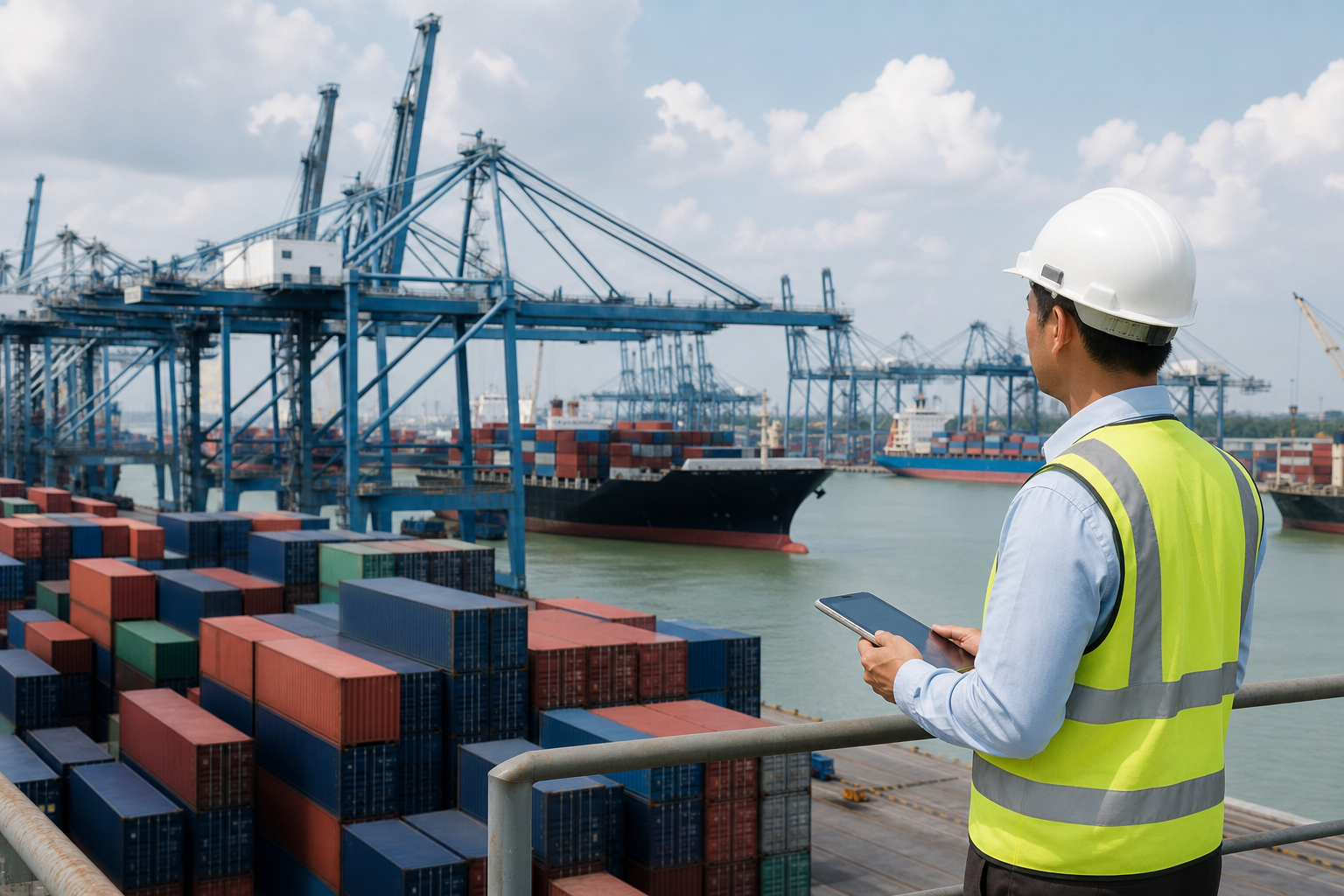
Ho Chi Minh City ended 2025 with 14,032 foreign direct investment enterprises — a 41% increase from 2020, the fastest growth rate of any business category in Vietnam's largest commercial hub. Despite representing less than 5% of all active firms, this cohort generated over 3.86 quadrillion Vietnamese dong in net revenue last year, equivalent to more than 31% of the city's total. The figures come from preliminary results of the 2026 Economic Census presented at a conference on July 30.
A Rapidly Deepening Capital Base
The FDI sector's capital holdings in Ho Chi Minh City reached nearly 5.5 quadrillion dong by the end of 2025, up 65.5% from five years earlier — a rate of capital accumulation that outpaces the 41% expansion in firm count. That gap signals foreign investors are not merely opening more entities; they are deploying significantly larger balance sheets per firm. In practice, this points to a shift toward higher-value operations, whether in manufacturing, finance, or advanced services, rather than a proliferation of small representative offices.
FDI Inflows Accelerating in 2025 and Into 2026
The census data aligns with registered capital trends that show momentum building sharply. Foreign-registered capital in the city hit USD 8.2 billion in 2025, a 21.8% annual gain. The first half of 2026 alone reached USD 6.8 billion — more than double the same period a year earlier, a 114% surge. If that trajectory holds, full-year 2026 registered FDI could comfortably surpass 2025's record, making Ho Chi Minh City one of Southeast Asia's most active inbound investment destinations in the current cycle.
The Broader Business Landscape
The city's overall enterprise base also expanded. Total active firms reached 296,759 at end-2025, up 17% from 2020, according to the census. The dominant group remains private domestic companies, which number 282,416 — about 95.2% of all firms — holding over 11 quadrillion dong in capital and generating 7.4 quadrillion dong in annual net revenue. That private domestic sector still dwarfs FDI in absolute scale, but the FDI cohort's faster growth rate and disproportionate revenue share illustrate its outsized economic footprint.
Individual Businesses Under Pressure
The picture for individual household businesses is more mixed. Ho Chi Minh City counted 661,462 individual production and business units, representing 12.6% of the national total, with over one million workers concentrated mainly in trade and services. Meanwhile, household-level industrial and construction producers have been contracting or converting their model under pressure from digital transformation. The formalization push — encouraging micro-operators to register as enterprises — may account for some of the growth in the private domestic count, but it also reflects structural shifts as smaller manufacturers lose competitiveness.

What the 31% Revenue Share Really Means
FDI firms generating 31% of city-wide revenue while holding less than 5% of business licenses is a ratio that defines their leverage over the local economy. It reflects capital-intensive sectors — electronics assembly, consumer goods, financial services — where throughput per entity is intrinsically high. It also means that policy changes affecting the FDI environment, whether in tax treatment, land-use rules, or labor regulation, carry consequences well beyond the narrow slice of firms directly involved. Ho Chi Minh City's steering committee described the 41% growth as evidence of an "increasingly attractive" investment climate, a characterization the capital flow data appears to support.

Investor Takeaway
For capital allocators tracking Vietnam deal flow, the census data confirms Ho Chi Minh City's position as the country's primary FDI concentration point, with both firm count and capital holdings accelerating in tandem. The 114% surge in first-half 2026 registered inflows suggests the city is capturing a disproportionate share of the broader regional supply-chain diversification trend. Investors evaluating entry through joint ventures, acquisitions of existing FDI-licensed entities, or greenfield licensed structures should note that the competitive landscape now includes 14,032 established foreign-invested peers — a thicker market than five years ago, with more sophisticated local counterparties and service providers to match.