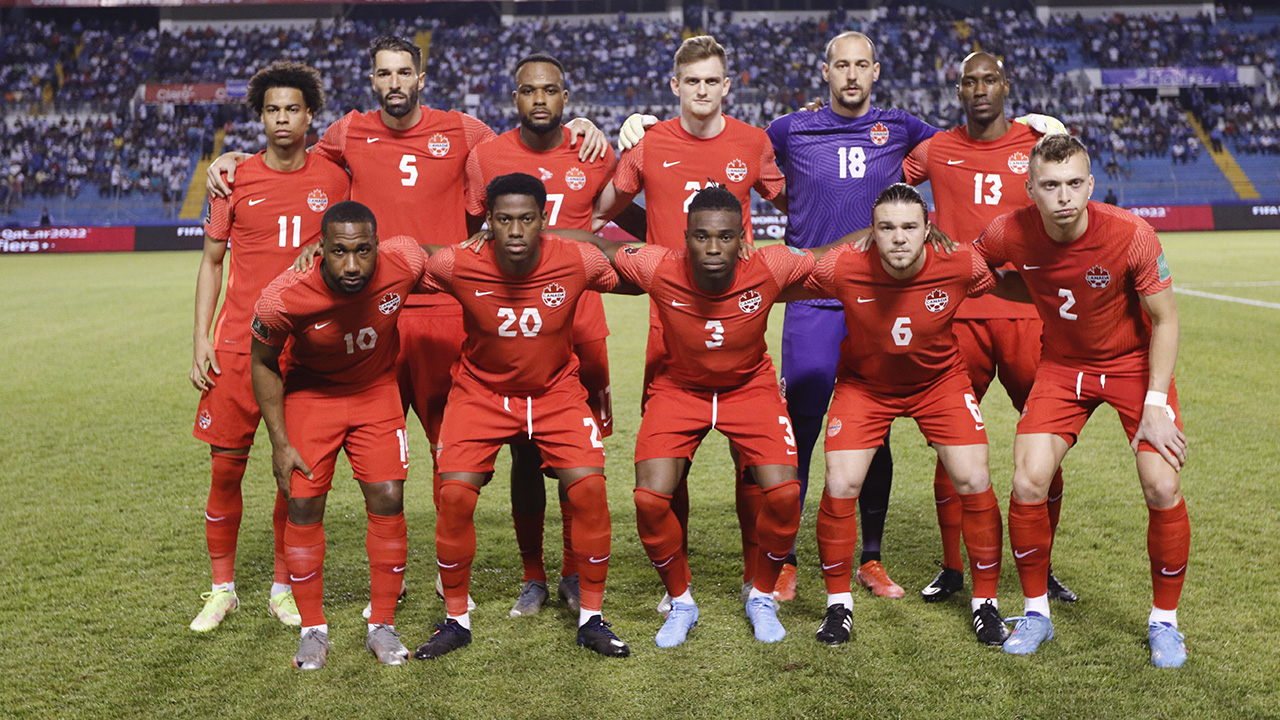
Canada secured the first knockout-stage victory in its World Cup history on June 28, defeating South Africa 1-0 at SoFi Stadium in California. Midfielder Stephen Eustaquio delivered the decisive moment in stoppage time, volleying home to spare fans from extra time in a hard-fought but low-quality contest.
A Historic First for Canada
Both Canada and South Africa entered the match having never won a World Cup knockout game before, making the fixture a genuine first for either nation. Canada arrived at SoFi Stadium as a co-host effectively playing away, forced to relocate after finishing third in Group B following a 1-2 loss to Switzerland. The symbolic weight of the occasion was not lost on either dugout.
Eustaquio's Moment of Class
For most of the match, Canada's best attacking threat came through Eustaquio's set-piece delivery rather than open play. The 29-year-old Porto midfielder, currently on loan at Los Angeles FC, created five chances from dead-ball situations — a feat previously matched only by Italy's Andrea Pirlo in the 2006 World Cup semi-final against Germany. When Ime Okon failed to clear cleanly deep in stoppage time, Eustaquio controlled on his chest and struck a dipping left-foot volley into the bottom corner. The goal made him only the third MLS-based player to score in a World Cup knockout round, alongside Landon Donovan and Brian McBride.
South Africa's Defensive Wall
South Africa frustrated Canada for long stretches through disciplined defending. Centre-backs Mbokazi and Okon repelled wave after wave of Canadian pressure, limiting the co-hosts to 12 total shots despite Canada's clear territorial dominance. Even when Canada's forwards broke through — as Tani Oluwaseyi did on a through-ball from Niko Sigur — goalkeeper Ronwen Williams was there to clean up.
Williams Sets a Passing Record
Williams finished the match with 77 successful passes, [breaking the previous record] of 51 set by Manuel Neuer against Japan in 2022 for most completed passes by a goalkeeper in a single World Cup game (measured from 1966 onward). The statistic underscores how deeply South Africa invited pressure and how central Williams was to recycling possession from the back. His performance in defeat was arguably one of the individual highlights of the round.
Expected Goals Tell the Full Story
Canada's dominance was most visible in the expected-goals figures: 1.32 xG against South Africa's 0.13, a ratio that reflects both Canada's volume of attempts and the quality of chances Williams denied. Seven of Canada's 12 shots were on target; South Africa managed just one. Alphonso Davies, introduced in the 75th minute, was unable to unlock the defence before Eustaquio intervened, but Canada's patience and persistence ultimately earned the result the statistics suggested they deserved.
What the Result Signals
For global investors watching the World Cup as a cultural and commercial lens on emerging football markets, Canada's progression matters beyond the scoreline. The country co-hosts the 2026 tournament alongside the United States and Mexico, and a deep run by the home nation sustains domestic commercial momentum — ticket sales, sponsorship activation, and broadcast audiences. South Africa's exit removes one of Africa's two remaining sides, narrowing the continent's representation in the latter stages. Canada now advances to the round of eight, where a stiffer test awaits a squad that, outside Eustaquio, still looks short of genuine world-class quality.